









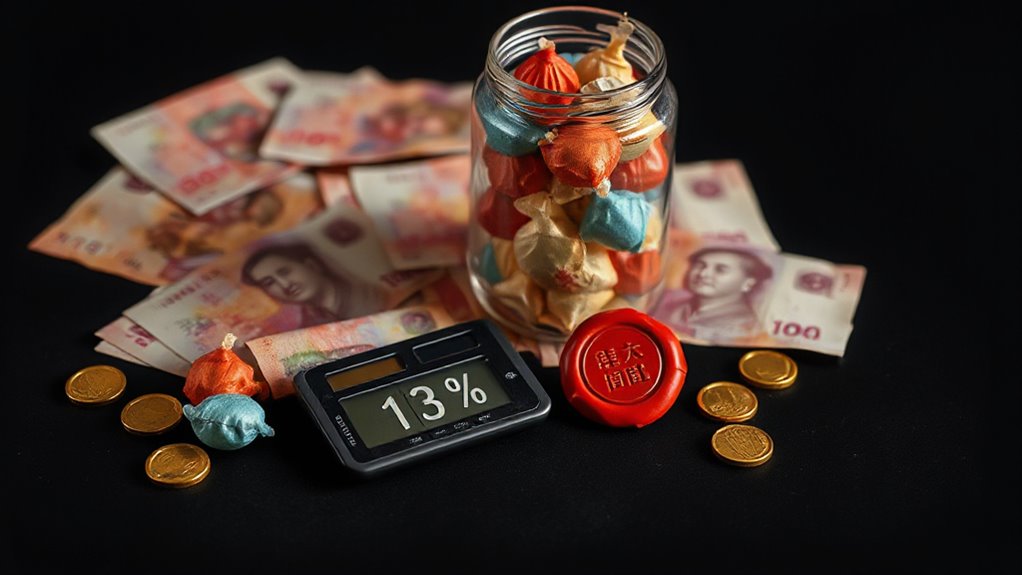
In a dramatic shift from decades of limiting family size, China has introduced a 13% tax on condoms and other birth control products as part of its latest effort to boost the country’s declining birth rates. This policy ends a thirty-year tax exemption that made contraceptives more affordable for Chinese citizens.
The new tax represents a complete turnaround from China’s famous one-child policy, which controlled population growth for decades until 2016. Now facing the opposite problem, China is desperately trying to encourage people to have more babies. Think of it as going from telling people to slam on the brakes to suddenly asking them to hit the gas pedal.
China’s population crisis is serious. Birth rates in 2024 hit their lowest point since 1949, and the country’s population is shrinking faster than ever before. With fewer young workers and more elderly people, China faces major economic challenges ahead. The fertility rate has dropped well below the level needed to maintain a stable population.
Government officials hope that making contraceptives more expensive will discourage their use and make having children seem more appealing by comparison. They believe this economic pressure might help change people’s attitudes about family size. The tax is just one part of broader reforms that include cash rewards for families with multiple children and public campaigns promoting larger families.
However, the policy has sparked controversy both in China and internationally. Critics argue that taxing contraceptives violates people’s reproductive rights and freedom of choice. Some experts doubt whether making birth control more expensive will actually convince people to have more babies, especially when raising children costs so much money.
The tax will particularly affect lower-income families who may struggle with higher contraceptive prices. Public health experts worry that reduced condom use could lead to other problems, including sexually transmitted infections.
This bold move shows how urgent China considers its population decline. The 13% tax increase will impact Chinese families much like inflation rates affect the purchasing power of everyday consumer goods over time. Whether taxing contraceptives will successfully reverse the demographic slide remains to be seen, but it certainly demonstrates the government’s willingness to try unconventional solutions to a pressing national challenge.