








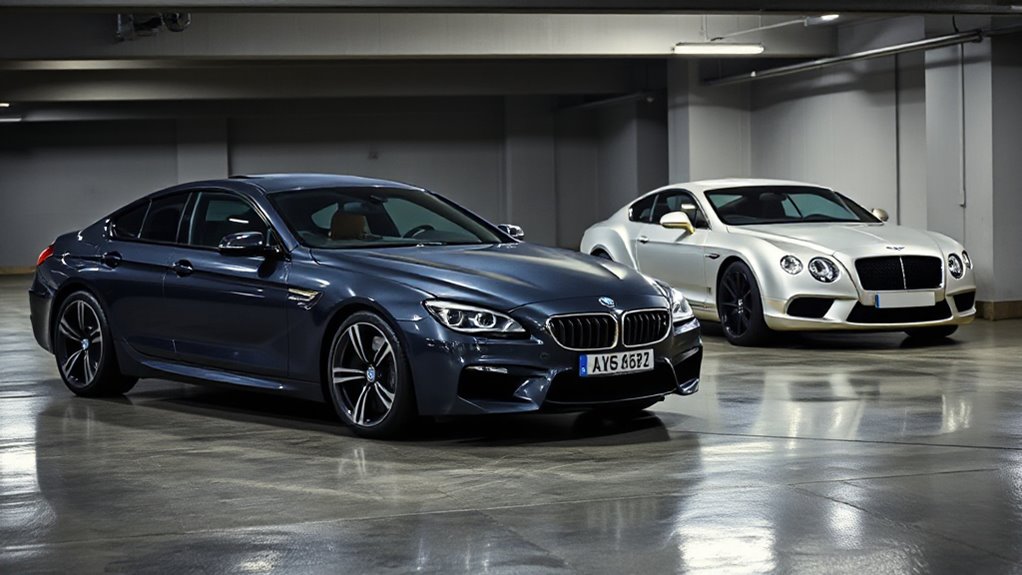
In Singapore’s gleaming streets, where wealth whispers rather than shouts, the ultra-rich have made a surprising choice about luxury cars. Despite having the means to own any vehicle they desire, affluent Chinese Singaporeans are quietly steering away from Bentleys and other flashy status symbols.
This trend reflects a cultural shift toward “quiet luxury” where craftsmanship and exclusivity matter more than bold brand logos. Think of it like wearing a perfectly tailored suit versus a shirt covered in designer labels. The wealthy prefer understated elegance that speaks to those who know quality when they see it.
Traditional Chinese values play a huge role in this decision. The concept of humility and maintaining harmony within communities discourages ostentatious displays of wealth. Owning a Bentley might feel like painting a target on your back, attracting unwanted attention and potentially creating social friction with friends and neighbors.
Traditional Chinese values of humility and community harmony make flashy wealth displays feel like painting a target on your back.
Singapore’s wealthy Chinese buyers are gravitating toward BMW, Mercedes-Benz, Audi, and Porsche instead. These brands offer luxury without screaming about it. They’re like the difference between a quiet conversation and shouting across a room. Both communicate, but one maintains dignity and privacy. Diversifying wealth through different investment vehicles, including forex trading which operates 24 hours daily, has also influenced how the affluent allocate their assets beyond traditional luxury purchases.
Economic factors also influence these choices. Singapore’s sky-high vehicle costs make ultra-luxury cars like Bentleys disproportionately expensive compared to their practical benefits. The COE system adds significant expense to luxury vehicle purchases, making buyers more selective about their automotive investments. The luxury car market is experiencing robust 7.28% CAGR growth, reflecting increasing demand for high-end vehicles among discerning buyers.
Government incentives favoring electric and hybrid vehicles further nudge buyers toward more efficient luxury options rather than gas-guzzling traditional models.
The preference extends beyond mere transportation. Today’s affluent consumers want unique experiences and cutting-edge technology. They’re choosing bespoke or limited-edition models from other manufacturers that offer innovation alongside exclusivity.
Environmental consciousness adds another layer to their decision-making. Growing awareness of social responsibility makes eco-friendly luxury vehicles more appealing than traditional luxury cars with poor fuel efficiency.
This quiet revolution in luxury preferences shows how Singapore’s wealthy have mastered the art of selective indulgence. They understand that true luxury doesn’t need to announce itself. Instead, they’re investing in quality, technology, and experiences that align with their values while maintaining the discretion that allows them to enjoy their success without unnecessary complications.