










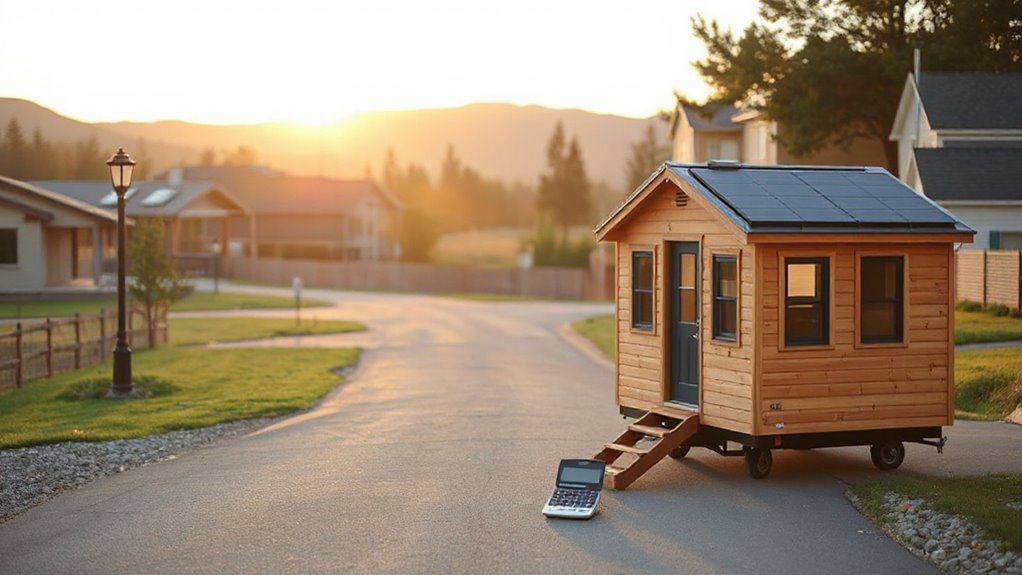
The tiny home movement has grown from a quirky trend to a serious investment opportunity that’s catching the attention of smart money across the country. The global market reached $13.17 billion in 2025 and experts predict it will hit $16.73 billion by 2029. That’s solid growth of 6.2% each year, powered by people seeking affordable housing and simpler living.
The numbers tell an interesting story about who wins with tiny homes. These compact dwellings typically cost between $30,000 and $100,000, which sounds like pocket change compared to the median U.S. home price of nearly $397,000. Millennials and retirees are jumping on this trend faster than you can say “downsizing.” Remote workers love the flexibility, while seniors appreciate low-maintenance living that doesn’t require climbing stairs or mowing huge lawns.
Energy savings create another win for tiny home owners. These small spaces use about 80% less energy than traditional homes, meaning monthly utility bills that won’t make you wince. Mobile tiny homes on wheels offer even more appeal, letting owners park their investment wherever life takes them.
But here’s where things get tricky. Unlike regular real estate that typically grows in value over time, tiny homes often depreciate like cars or RVs. This reality check doesn’t stop 82% of Americans from viewing them as attractive investments, especially for rental income or as accessory dwelling units.
Smart investors focus on cash flow rather than appreciation. Tiny home rentals can generate steady income, particularly in tourist areas where people want unique experiences. Some owners add tiny homes to existing property as rental units, creating multiple income streams. Like dividend aristocrats in the stock market that consistently increase payments to shareholders, successful tiny home investors prioritize properties that deliver reliable monthly returns. The tourism market shows strong momentum with over 300 million international tourists visiting destinations in Q1 2025, creating more opportunities for unique tiny home accommodations. Steel-framed models are increasingly popular among investors due to their longer warranties and superior disaster resistance compared to traditional timber construction.
The biggest challenge isn’t building costs or depreciation—it’s steering through zoning laws that change from town to town. Mobile tiny homes classified as recreational vehicles often face fewer restrictions, making them easier to place legally.
Success with tiny home investments depends on clear goals and realistic expectations. They work best for people prioritizing affordability, lifestyle flexibility, and rental income over long-term property appreciation. For the right investor in the right location, tiny homes offer a pathway to homeownership or passive income that traditional real estate can’t match.