









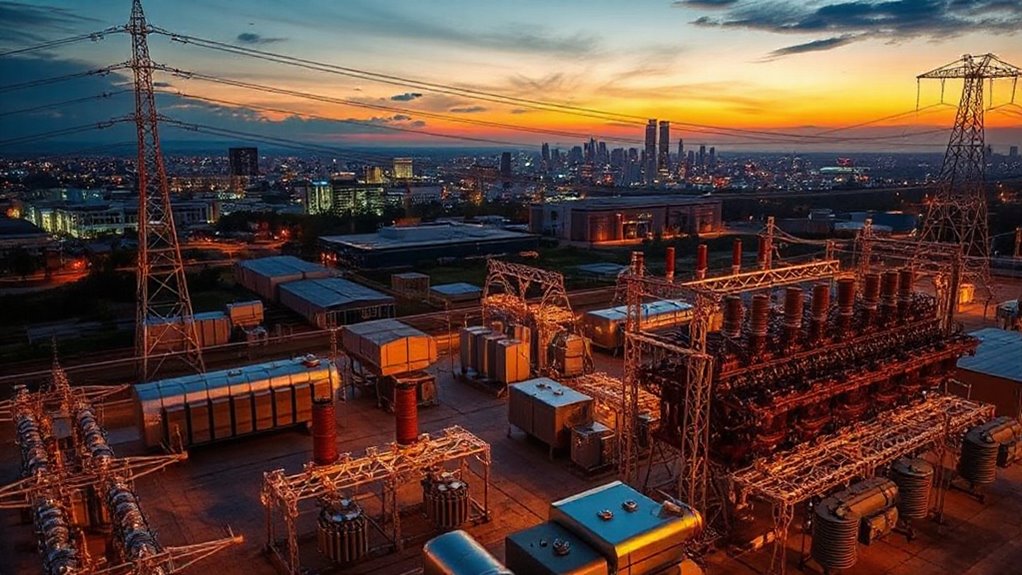
The nation’s power grid is facing a perfect storm of challenges that would make even the most seasoned electrical engineer reach for an extra cup of coffee. Old coal and gas power plants are shutting down faster than new ones can replace them, leaving gaping holes in electricity supply. Meanwhile, Americans are plugging in more electric cars and installing heat pumps, creating record-breaking demand for power just when the grid can least handle it.
The problem gets worse during extreme weather. When everyone cranks up their air conditioning during heat waves or fires up electric heaters during freezing spells, the grid struggles like an overloaded extension cord. Adding wind and solar farms helps with clean energy goals, but these sources need backup power when the wind stops blowing or clouds roll in.
Small modular reactors, or SMRs, might offer a solution that sounds almost too good to be true. These mini nuclear plants work like building blocks – utilities can start with one unit and add more as needed, rather than betting everything on one massive reactor. Think of it like buying smartphones in small batches instead of ordering a thousand at once and hoping they all work. SMRs feature passive safety systems that use natural forces like gravity and convection for cooling, eliminating the need for active intervention during emergencies.
Unlike their giant cousins that take over a decade to build, SMRs could be factory-made and installed in roughly three years. They can run 24 hours a day regardless of weather, providing the steady electricity that keeps the lights on when solar panels go dark and wind turbines sit still. Some designs can even replace old coal plants using existing power lines and cooling systems. The factory production of these reactors ensures consistent quality control and cost efficiency compared to traditional on-site construction methods.
The economics remain tricky, though. Early SMR units will likely cost more per unit of electricity than traditional reactors until manufacturers can produce them in large numbers. The technology also faces regulatory hurdles since current nuclear rules were written for much larger plants. Similar to currency trading markets where institutional backing affects liquidity, the SMR industry needs significant corporate and banking support to reach viable production scales.
However, when paired with industrial facilities needing constant heat or power-hungry data centers, SMRs start making financial sense. As the grid becomes increasingly unreliable and the climate crisis demands cleaner energy, these small reactors might just be the right-sized solution for America’s big power problems.