










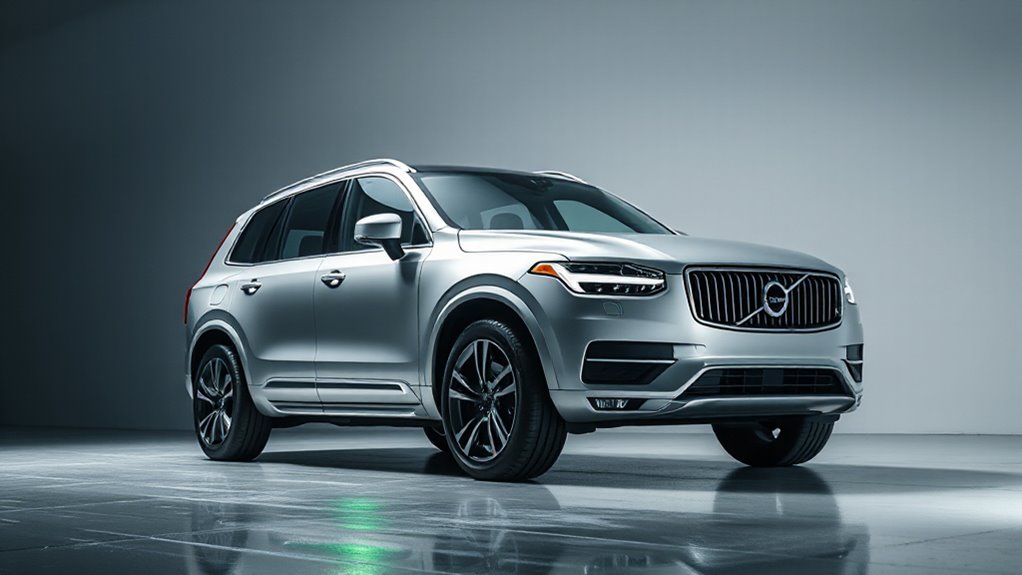
Volvo Cars closed out 2025 with a modest win, posting global sales of 75,049 vehicles in December—a 2% bump compared to the same month a year earlier. The uptick came as a bright spot after a challenging year that saw total 2025 sales drop 7% to 710,042 vehicles worldwide. The December gain was fueled mainly by strong performance from fully electric and plug-in hybrid models, showing that buyers are still interested in greener options even as the overall market faces headwinds.
Volvo’s December sales rose 2% globally, offering a rare bright spot after a difficult year saw overall 2025 sales decline 7%.
In the United States, December sales reached 14,193 vehicles, up just under 1% from December 2024. For the full year, US sales totaled 121,607 units, down nearly 3% from the previous year. The fourth quarter proved particularly tough, with sales falling more than 13% compared to the same period in 2024. One big reason for the slowdown was the removal of tax incentives for electric vehicles, which caused electrified vehicle sales to plummet in the final quarter.
Despite those challenges, Volvo’s electric lineup showed real promise. The EX30 compact SUV sold 439 units in December, nearly doubling year-over-year sales, and finished 2025 with 5,409 units sold—an eye-popping increase of over 2,000%. The larger EX90 also impressed, with 614 units sold in December marking its best month yet and full-year sales climbing to 3,913 vehicles.
Traditional models delivered mixed results. The XC60 remained the top seller in the US with 41,105 units for the year, up 6%. The XC90 set an annual sales record with 40,217 vehicles sold, up 2%. However, sedan sales collapsed. The S60 managed only three sales in December and 940 for the year, while the V60 wagon recorded zero December sales.
China remained Volvo’s largest market globally, followed by the US, UK, Germany, and Sweden. The December sales increase offered a glimmer of hope heading into 2026, though pressure in key markets continues to challenge the automaker’s growth trajectory. Central bank moves and changing interest rates can influence consumer financing costs and therefore auto demand.