
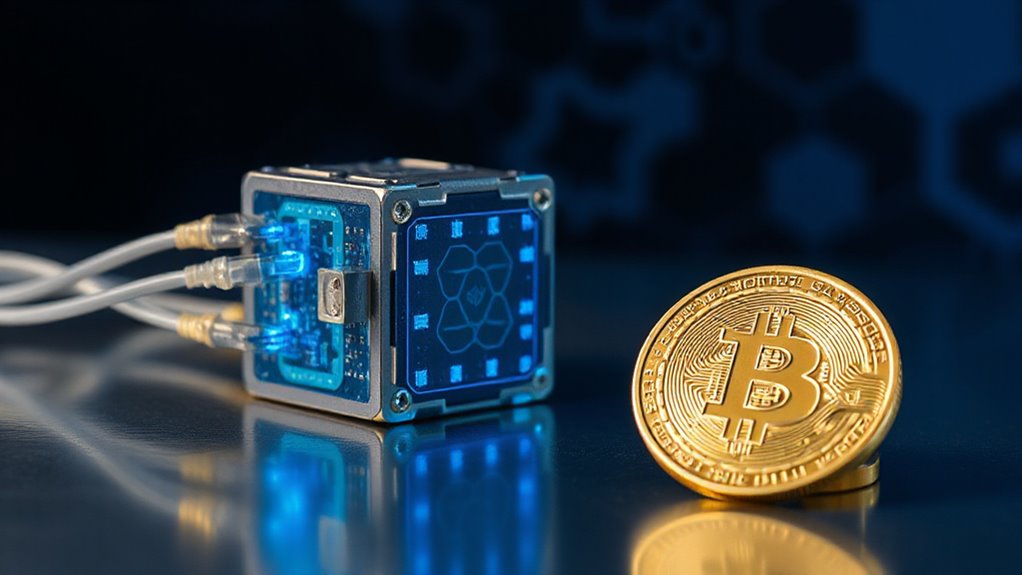
While Bitcoin has revolutionized digital currency over the past fifteen years, a new challenge looms on the horizon: quantum computers powerful enough to crack its security. About 6.26 million BTC, worth between $650 and $750 billion, sits in addresses vulnerable to quantum attacks. Nearly $2 trillion in total Bitcoin value faces this risk. Google’s Willow chip recently achieved a critical milestone in quantum computing, making the threat feel less like science fiction and more like an approaching reality.
Bitcoin Quantum represents the first serious attempt to solve this problem. It replaced Bitcoin’s current ECDSA signatures with ML-DSA, a post-quantum cryptographic algorithm that the U.S. government now requires for protecting national security systems. ML-DSA provides 128-bit post-quantum security through official NIST standardization, meaning it can withstand attacks from future quantum computers. This testnet also demonstrates practical post-quantum security integration in a live blockchain environment.
The trade-offs are significant but necessary. ML-DSA signatures are roughly 38 to 72 times larger than current signatures, which means transactions take up more space. To handle this, Bitcoin Quantum increases the block size limit to 64 MiB. This expansion represents practical engineering rather than theoretical preference.
The testnet provides real infrastructure for testing these changes. A block explorer at explorer.bitcoinquantum.com lets anyone verify transactions and monitor network activity. A mining pool at pool.bitcoinquantum.com enables distributed participation. The system supports the full transaction lifecycle, from wallet creation to mining, all using quantum-resistant cryptography. BTQ operates this mining pool with a 3% fee on all block rewards, with revenues accumulating Bitcoin Quantum tokens as a strategic treasury asset.
What makes this testnet valuable is its open framework. Miners can run nodes and validate network consensus under realistic conditions. Developers can create interfaces and build tools to grow the ecosystem. Researchers can audit the ML-DSA implementation to make certain it works as promised. This collaborative approach mirrors Bitcoin’s original ethos.
Bitcoin Quantum builds on Bitcoin Core’s proven codebase while adding quantum resistance. It maintains the same economic model and network architecture that Bitcoin users understand. The testnet launched 17 years after Bitcoin’s genesis block, creating a narrow migration window for implementing solutions before quantum computers become powerful enough to threaten existing Bitcoin holdings. The clock is ticking, but at least the work has begun.