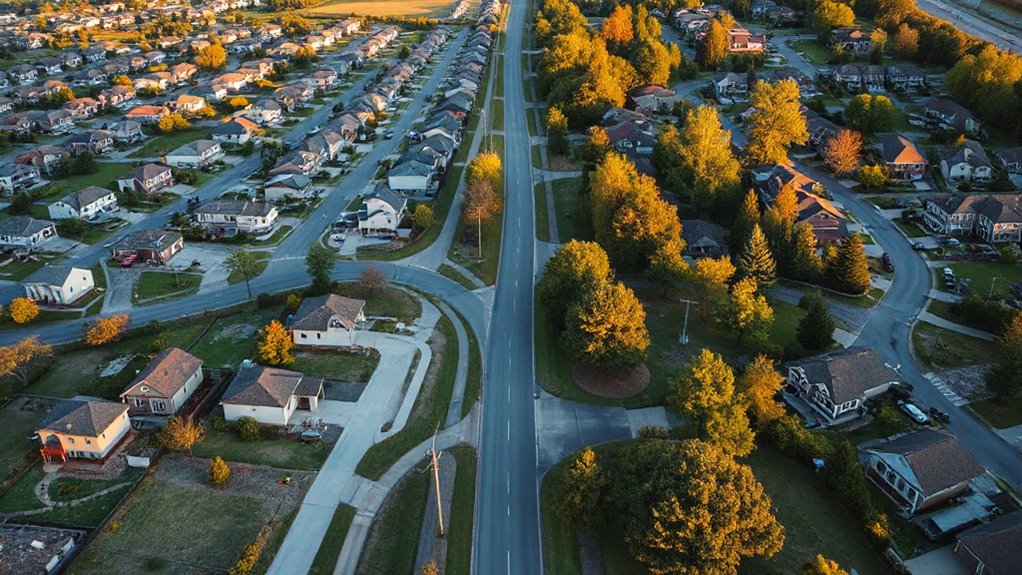
When will the housing market finally give homebuyers a break? The answer for 2026 is complicated, but there’s cautiously good news mixed with some challenges that make timing everything.
Mortgage rates are expected to drop into the low-6% range by year’s end, settling around 6.3% on average. That’s a meaningful decline from the nearly 7% rates many buyers faced recently. Lower rates mean smaller monthly payments, which is why experts predict existing home sales will climb to 4.2 million, up nearly 4% from the previous year. The spring homebuying season should feel stronger as these rate improvements take effect. Buyers should still maintain an emergency fund and avoid panic-driven decisions when locking in a mortgage.
House prices tell a more nuanced story. National forecasts predict modest growth between 0% and 1.9%, depending on which expert you ask. Prices aren’t crashing, but they’re not soaring either. This moderation happens because demand improvements are roughly balanced by increases in housing supply. New construction is picking up, though the country still faces a shortage of about 1.2 million homes.
Affordability is gradually improving through a combination of rising wages, restrained price growth, and easing mortgage rates. Incomes are finally catching up to housing costs, making homeownership more manageable for some buyers. However, entry-level buyers continue struggling while the upper-end market thrives. Homebuilders are offering rate buydowns to clear inventory and make purchases more attractive in the current environment.
Geography matters enormously in 2026. The West Coast and Sun Belt are seeing prices fall due to a glut of new homes. Coastal Florida and Texas face additional headwinds from natural disasters and skyrocketing insurance costs. Meanwhile, value-oriented markets in the Northeast and Midwest are heating up. Places like Cleveland, St. Louis, Minneapolis, and Madison offer better opportunities for budget-conscious buyers.
On the rental side, apartment rents are expected to rise 2% to 3% year over year as construction slows and more Americans choose renting over buying due to high down payment requirements.