








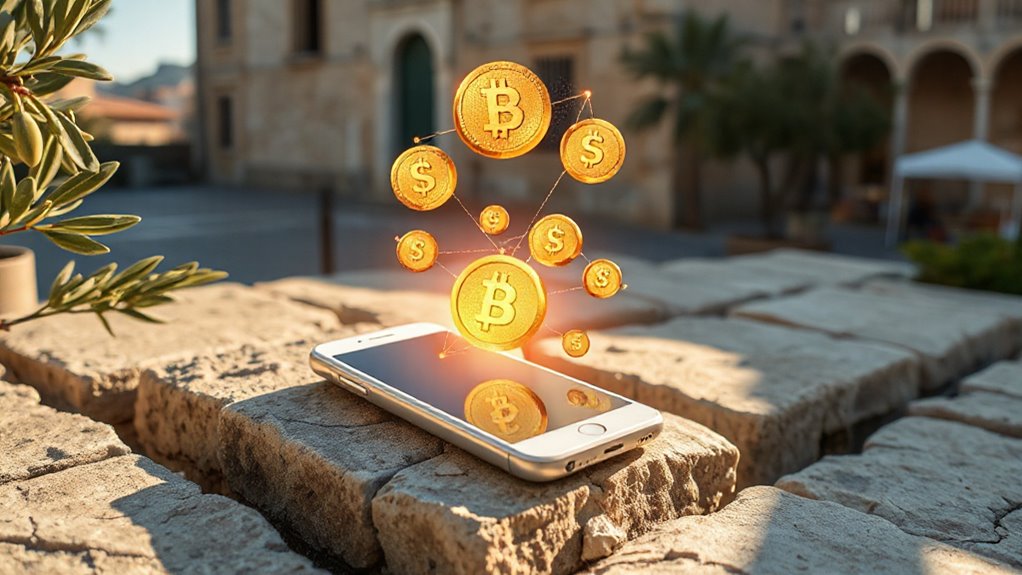
In a region where banking access remains limited and financial infrastructure has been disrupted by ongoing conflict, stablecoins could offer Gaza residents a lifeline to the global economy. These digital assets work like dollars on your phone, maintaining stable value while living on blockchain technology. Think of them as a bridge between traditional money and the digital world, combining the reliability of cash with the speed of the internet.
Stablecoins are pegged to real assets like the US dollar, meaning one digital coin equals one actual dollar. Private companies issue these tokens and back them with reserves, similar to how banks hold deposits. The most popular types include fiat-backed stablecoins like Tether and USDC, which maintain their value through cash or short-term US Treasuries. This 1:1 backing allows users to redeem their digital coins for actual dollars whenever needed.
For Gaza, where traditional banking faces serious obstacles, stablecoins could enable residents to receive payments, send money to family members, and participate in global commerce without needing a conventional bank account. All they would need is an internet connection and a digital wallet on their smartphone. Transactions happen quickly and cost less than traditional money transfers, which often charge hefty fees.
The technology relies on blockchains like Ethereum or Solana, which record every transaction transparently and securely. These distributed ledgers guarantee that ownership is clear and transfers happen reliably. The stablecoin market has grown to $225 billion globally, with US dollar-denominated coins dominating 99% of that total.
However, challenges exist. Stablecoins depend on the companies that issue them staying solvent and maintaining proper reserves. Regulatory oversight varies widely, and some stablecoins have failed spectacularly when their pegs broke, like TerraUSD in 2022. For Gaza specifically, questions about regulatory compliance and ensuring proper use would need careful consideration.
Despite these risks, stablecoins represent a promising tool for financial inclusion in regions facing infrastructure challenges. They offer stability without requiring traditional banking systems, potentially opening economic doors that conflict has closed. Many users also store assets in cold wallets for enhanced security.