










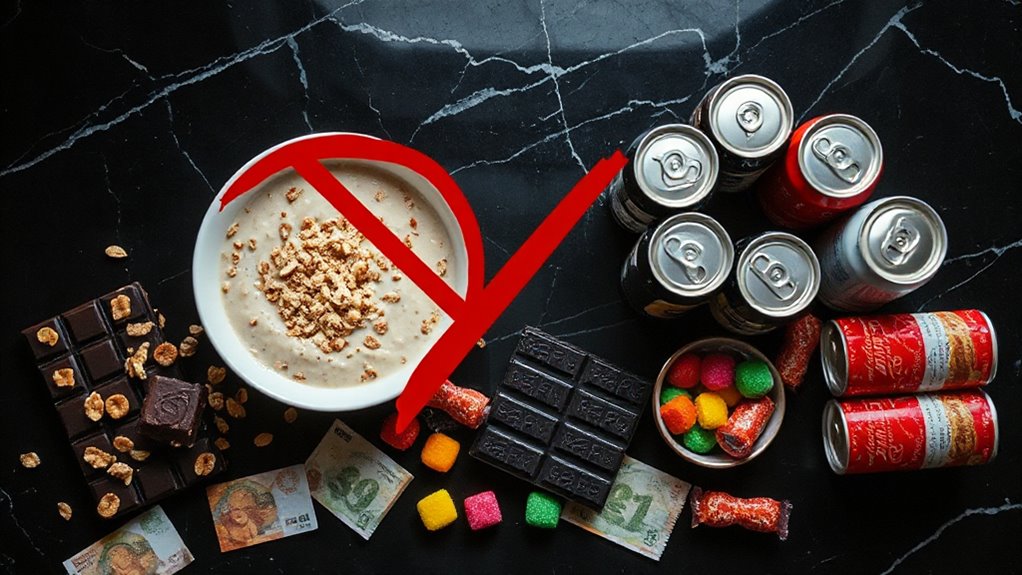
Starting in January 2026, advertisers in the United Kingdom will no longer be able to show commercials for certain sugary cereals, chocolate bars, and fizzy drinks to children during most television hours or anywhere online. This sweeping change targets foods high in fat, salt, or sugar that contribute to childhood obesity. The ban covers thirteen categories of products and aims to protect young people from marketing that encourages unhealthy eating habits.
The restriction applies to soft drinks like colas and energy drinks, all types of chocolate including milk and dark varieties, and breakfast cereals with added sugar or chocolate. Pizzas, ice cream, sweet popcorn, jellied sweets, and chewing gum also fall under the new rules. Curiously, plain porridge oats remain exempt because they do not contain added sugar. However, porridge products with syrup or chocolate face restrictions. This distinction shows how the government uses a nutrient profiling model to assess each product individually. The policy comes as part of broader efforts to reduce childhood obesity by making unhealthy options less visible to young audiences and encouraging reformulation.
Television commercials for these foods cannot air before 9 p.m., while online advertisements are banned entirely regardless of the time. This means children scrolling through websites or social media will no longer see promotions for candy bars or sugary drinks. Companies can still advertise their brand names as long as they do not show identifiable unhealthy products. Fast-food restaurants can also promote their businesses without highlighting specific menu items.
The government hopes this measure will prevent around 20,000 cases of childhood obesity. Current data shows one in ten reception-aged children in England are obese, and one in five have tooth decay by age five. These statistics highlight the urgency behind the policy. Obesity costs the NHS more than £11 billion every year.
Critics point out that the ban does not cover outdoor billboards or in-store displays, which means marketing still reaches children through other channels. Some experts argue that pairing advertising restrictions with nutrition education and affordable healthy food options would create stronger results. Evidence links frequent exposure to junk food advertising with changes in food preferences, purchase requests and consumption patterns. Nonetheless, the Advertising Standards Authority will enforce compliance, and the food industry faces pressure to reformulate recipes and lower sugar, salt, and fat content.
Related Posts