









While South Korea’s economy shows promising signs for 2026, several deep cracks beneath the surface could shake its foundation. Like a house built on shifting ground, the country’s recovery faces hidden dangers that could derail progress when least expected.
South Korea’s economic health depends heavily on semiconductors, much like a person relying on a single income source. When chip demand soars, the economy thrives. Big tech companies are boosting spending, which should help exports grow. However, this dependence creates a risky situation. If the semiconductor cycle suddenly turns downward, the entire economy could stumble. It’s putting all eggs in one basket, which works until the basket breaks.
South Korea’s semiconductor dependence is like walking a tightrope – impressive heights until one misstep sends everything crashing down.
The construction sector adds another layer of worry. This industry won’t likely recover until late 2025, and companies face serious money troubles. Think of it like trying to fix a leaky roof during a storm – the problems keep getting worse while resources run thin.
Housing markets present perhaps the biggest challenge. Over 26 million people live in the Seoul area, where nearly half of family wealth sits locked in real estate. Home prices keep climbing like a runaway balloon, forcing the government to consider stricter rules. With household debt at record levels, families spend more money paying loans instead of buying goods or starting businesses.
Demographics tell a troubling story too. South Korea’s population is aging rapidly, creating fewer workers to support more retirees. By the 2060s, the country will have the highest old-age dependency ratio among developed nations. It’s like having fewer people rowing while the boat gets heavier. The economy also struggles with a fertility rate of just 0.78 children per woman, the lowest globally.
The government plans to spend 728 trillion won in 2026, an 8.1% increase from current levels. While this spending aims to boost growth, it also risks creating inflation and deeper debt problems. These strategic policy responses may prove insufficient to address the mounting economic pressures facing the nation. Rising costs of everyday goods would further erode families’ purchasing power, making it harder for households to afford basic necessities.
Meanwhile, worker productivity ranks fifth lowest among developed countries, despite people working long hours.
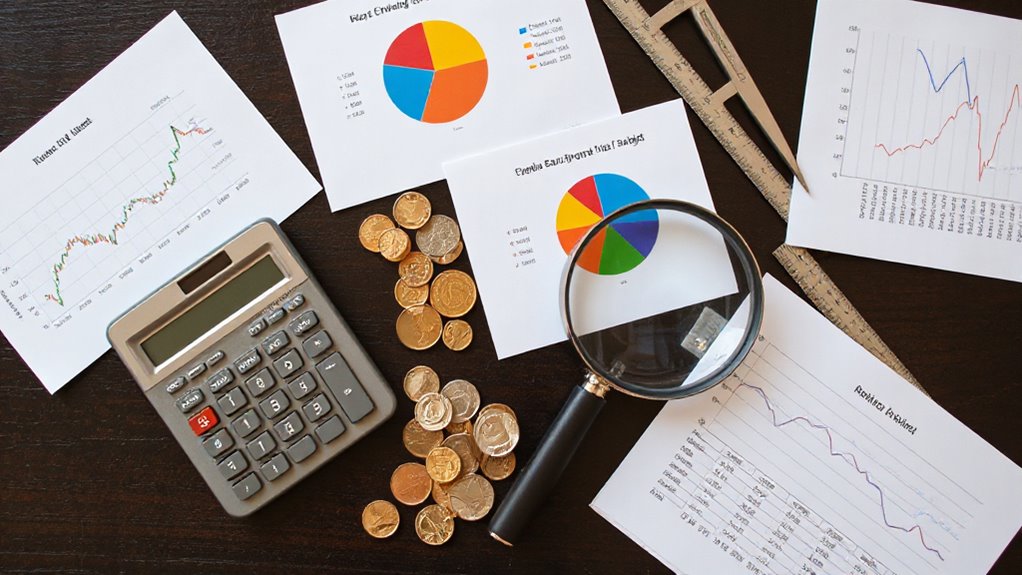
GDP growth is expected to reach 2% in 2026, up from 1.2% in 2025. However, these projections assume nothing goes wrong. With so many fault lines running beneath the surface, South Korea’s economic recovery remains fragile and uncertain.
Related Posts