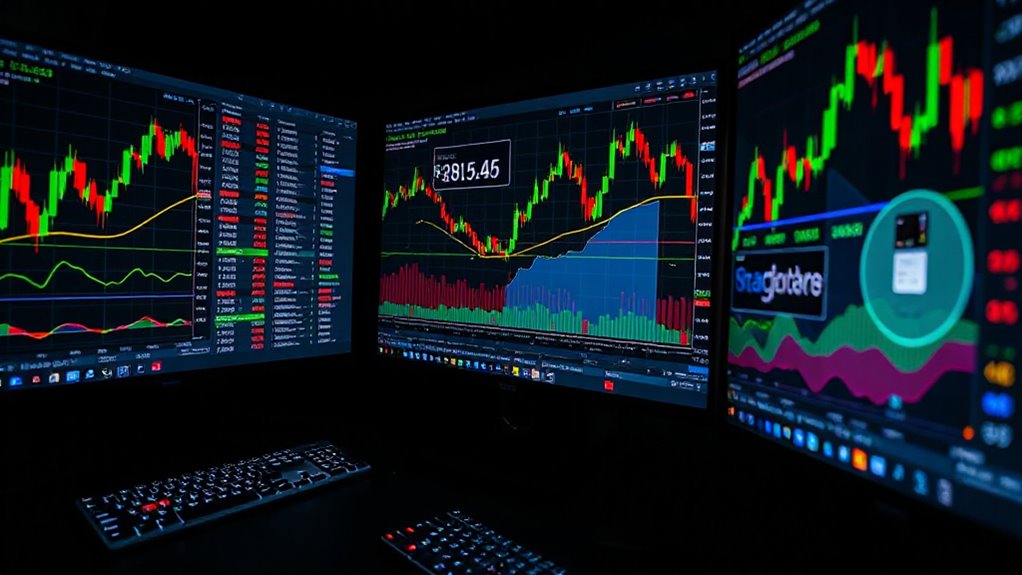



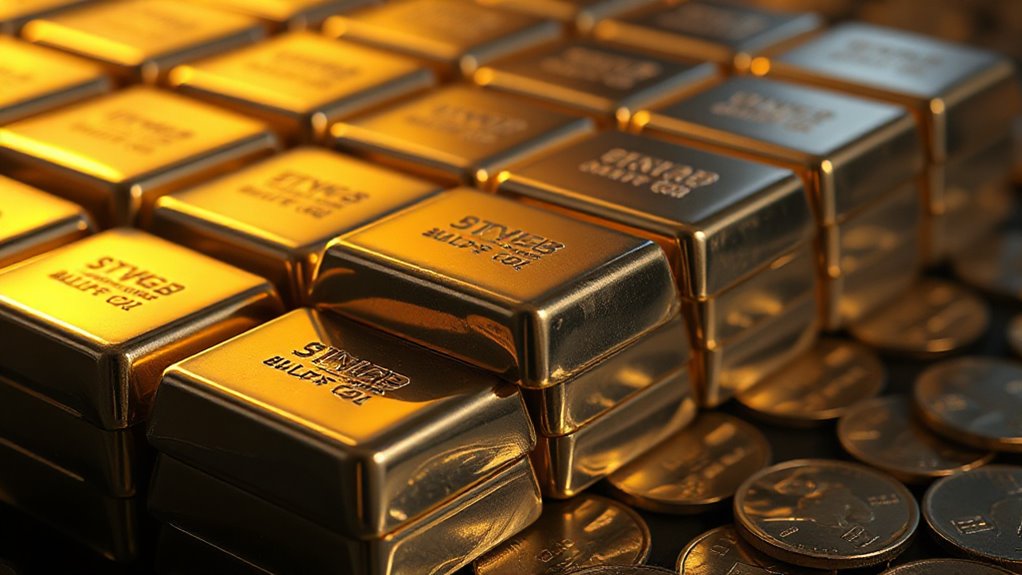
Silver has officially entered uncharted territory, soaring past $60 per troy ounce for the first time in history on the New York Commodity Exchange. This remarkable milestone represents more than double the price from the beginning of 2025, leaving even gold in the dust this year.
Silver rockets past $60 per ounce, smashing records and doubling in value while outshining gold’s performance this year.
Think of silver like your favorite concert tickets – when everyone wants them but there aren’t enough to go around, prices skyrocket. That’s exactly what’s happening in global silver markets right now. Mining companies worldwide are producing less silver than before, while demand keeps climbing higher.
The technology boom is gobbling up silver faster than a teenager with pizza. Electronics manufacturers need silver for its excellent conducting properties, while solar panel makers use tons of it for clean energy production. Even hospitals rely on silver for medical equipment and wound dressings because of its natural antibacterial powers.
Meanwhile, silver mines are facing serious challenges. Many operations deal with worker shortages and rising costs that make extraction more expensive. Environmental rules have also tightened, limiting where new mines can open. Older mines are running into lower-quality ore, meaning less silver comes out despite the same effort going in.
Investors are rushing toward silver like shoppers during a Black Friday sale. With inflation eating away at purchasing power and currencies losing value worldwide, people want something tangible they can hold. Silver fits the bill perfectly as a hedge against economic uncertainty. Industry expert Robert Gottlieb has highlighted the market implications of this unprecedented price surge.
The supply chain mess isn’t helping either. Shipping delays and trade tensions have disrupted the normal flow of silver from mines to markets. Recycling efforts simply can’t keep up with the growing appetite for this shiny metal.
Central banks keeping interest rates low makes silver even more attractive since it doesn’t pay dividends anyway. When bank accounts offer tiny returns, precious metals start looking pretty appealing. Just like in forex markets where economic indicators such as GDP and employment significantly influence values, silver prices respond to broader monetary policy shifts.
Financial experts warn that this wild ride might get bumpier before it smooths out. Standard Chartered and other major banks expect continued volatility, though they remain optimistic about silver’s long-term prospects in our increasingly digital and green world. Market analysts are advising heightened caution amid the current surge as broader economic uncertainties continue to unfold.
Related Posts