

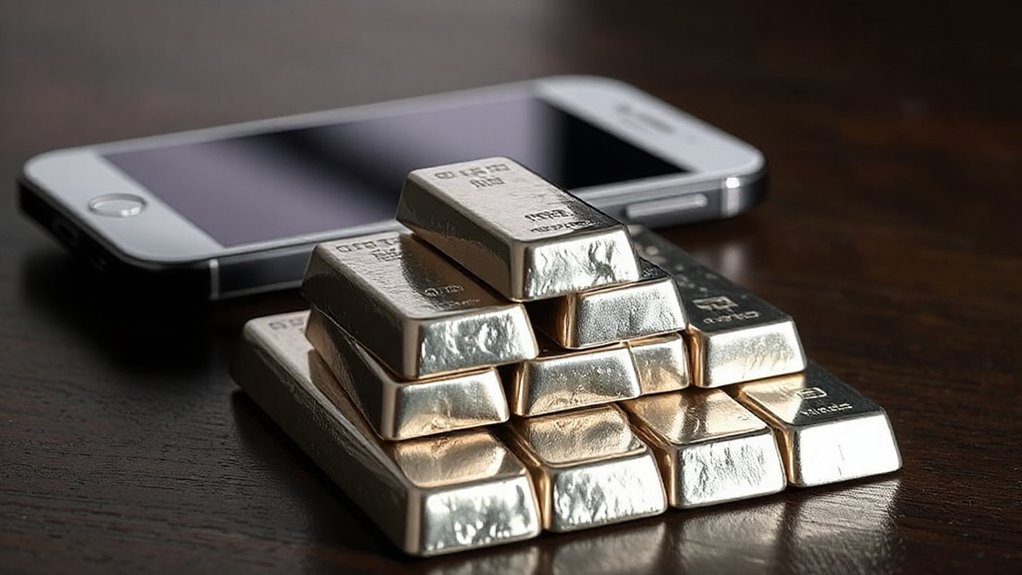
The precious metal silver has accomplished something that might sound like financial fiction: it recently surpassed Microsoft’s massive market value, climbing to an eye-popping $3.59 trillion. This shiny metal that people have treasured for thousands of years just outranked one of the world’s biggest technology companies.
Silver prices rocketed past $63 per troy ounce in December 2025, reaching heights not seen in modern trading history. The metal gained more than 100% in just one year, with some reports showing increases around 108% to 110%. Even more impressive, silver jumped about 21% in a single month during its latest rally.
The Federal Reserve played a major role in this surge. When the Fed cut interest rates by 25 basis points and hinted at more cuts coming, investors rushed toward precious metals like silver. Lower interest rates make holding metals more attractive because people earn less money keeping cash in banks. The weaker US dollar that followed also helped silver shine brighter.
But this rally isn’t just about monetary policy. Silver has become incredibly important for modern technology. About half of all silver gets used in factories and manufacturing. Solar panels need silver for their electrical parts, and the boom in renewable energy has created huge demand. Computer chips, smartphones, and AI data centers all rely on silver’s amazing ability to conduct electricity better than almost any other metal.
Unlike gold, which mostly sits in vaults looking pretty, silver works hard in the real world. When companies can’t easily replace silver with cheaper alternatives, prices can skyrocket when demand increases. Tight supplies and inventory drawdowns made the situation even more intense.
Speculators and investment funds also jumped on the silver train. Exchange-traded funds saw massive money flowing in as both regular people and big institutions wanted exposure to precious metals. Silver serves as an effective hedge against inflation, maintaining its value during periods of economic uncertainty. The combination of real industrial need and investment excitement created a perfect storm. Many investors diversified their portfolios by adding silver alongside traditional index funds that track market benchmarks. Silver’s dramatic rise has now propelled it to become the world’s fifth-largest asset by market capitalization.
This ancient metal has proven that sometimes old-school investments can outperform even the most successful technology giants in today’s modern economy.
Related Posts