
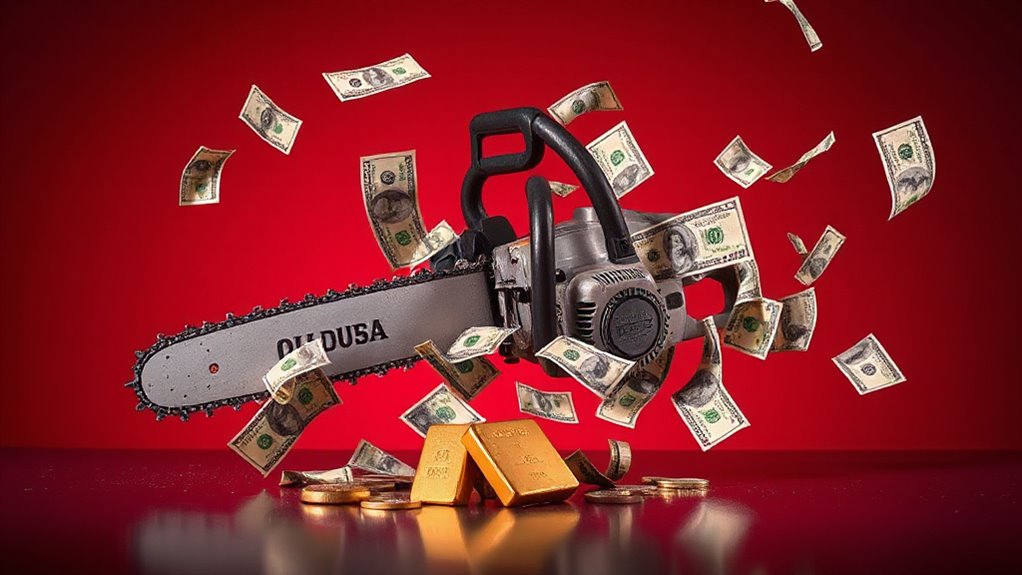
The U.S. dollar tumbled to its lowest point in over four years on January 28, 2026, dropping so fast that investors began calling it a “falling chainsaw”—something nobody wants to catch. The currency fell 1.3 percent on Tuesday and another 0.2 percent on Wednesday. Over the past year, it has lost more than 10 percent of its value. Against a basket of other currencies, the dollar sank 1.4 percent to 95.77, its weakest level since February 2022.
Surprisingly, President Donald Trump called the shrinking dollar “great” at a press conference in Iowa. He urged the Federal Reserve to cut interest rates even more, signaling he prefers a weaker currency for policy reasons. Many economists worry this approach could backfire, especially when combined with threats of tariffs and unpredictable trade moves. Lower interest rates typically reduce returns on cash and influence other assets, which can amplify currency moves and investor behavior interest rates.
The dollar’s troubles stem from several sources. Trump has threatened to take over Greenland and impose heavy taxes on Europe. He proposed a massive 100 percent tariff on Canada over trade issues with China. Meanwhile, concerns about government shutdowns and possible interference with Federal Reserve independence have shaken investor confidence. Some experts even wonder if the Treasury Department might directly intervene in currency markets. The controversial capture of Venezuelan leader Nicolás Maduro has also been cited as another factor undermining confidence in U.S. policy.
Investors are fleeing to safer options like gold and Swiss francs. This “Sell America” trend has dominated markets for months, with traders aggressively betting against the dollar. Nobody seems willing to step in and buy while sentiment remains so negative.
For everyday Americans, a weaker dollar means reduced purchasing power when buying foreign goods or traveling abroad. However, it makes American products cheaper overseas, potentially boosting exports. The flip side is that imports become more expensive, which could drive up prices at home. Currency values are fundamentally driven by trade and financial flows between countries, reflecting how money moves across borders in response to economic conditions.
The good news is that the U.S. economy remains fundamentally strong. Experts believe positive factors will eventually reassert themselves. Investors are watching the Federal Reserve’s upcoming meeting for hints about future rate decisions, which could shift the dollar’s direction. For now, though, the currency remains under pressure as markets grapple with uncertainty.
Related Posts