








A corporate spat erupted between Ryanair and Elon Musk that turned social media into a battleground of memes, math debates, and mock takeover offers.
The disagreement began over Starlink Wi-Fi costs for aircraft. Ryanair CEO Michael O’Leary called Musk an “idiot” after claiming the pricing model for Starlink internet service made no economic sense for airlines. O’Leary argued that installing Starlink antennas on planes would be too expensive and hurt profitability.
O’Leary dismissed Starlink’s pricing as economically unfeasible for airlines, arguing the antenna installation costs would devastate profitability.
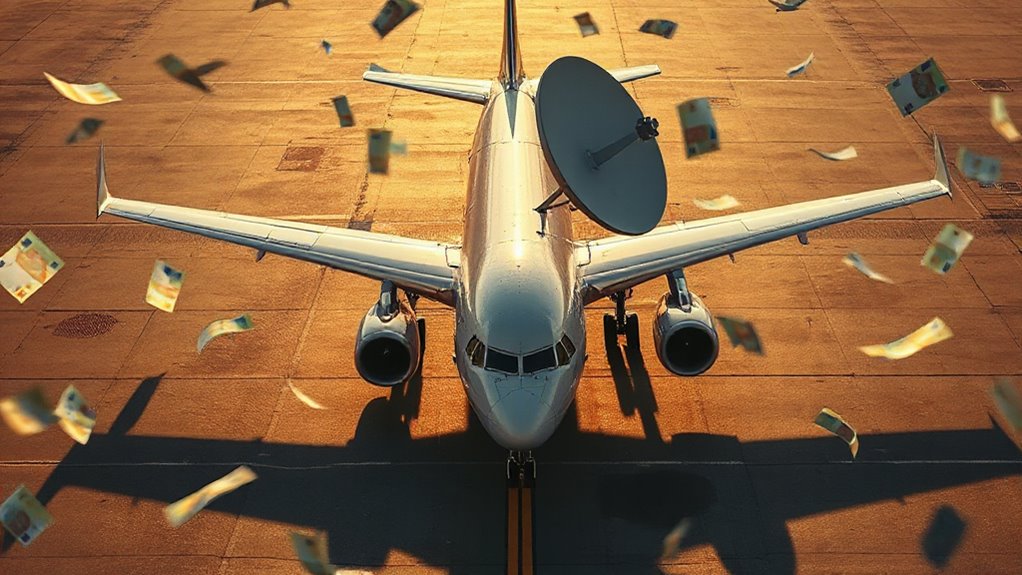
Musk fired back by challenging O’Leary’s calculations. He pointed out that the antennas would add about 2% in fuel costs due to extra weight and drag on Boeing 737 aircraft. His engineers estimated this would cost Ryanair’s fleet between $200 and $250 million annually. Musk suggested O’Leary had done bad math when evaluating the financial impact. European exchanges typically open around 9:00 AM local time, which underscores how timing and market noise can amplify corporate narratives.
Things took an unexpected turn when Musk responded to a Ryanair social media post with a simple question: “How much would it cost to buy you?” The takeover joke went viral immediately. Musk even mentioned putting a “Ryan” in the airline’s branding. O’Leary dismissed the idea as non-serious, noting that non-European citizens cannot own a majority stake in a European airline. But the internet loved it.
Ryanair then unleashed its social media strategy. The airline created memes targeting Musk and his X platform followers. They launched a “Big Idiot Seat Sale” offering €16.99 seats specifically marketed toward Elon and X users. The campaign generated massive engagement across platforms.
O’Leary held a press conference in Dublin to address what he called Musk’s “Twitter tantrum.” Notably, he admitted the drama was actually helping airline bookings. The publicity brought attention to Ryanair’s promotional activities and attracted customers beyond typical aviation industry observers.
Both parties benefited from the viral nature of their dispute. The feud demonstrated how corporate disagreements can drive customer interest when handled with humor and boldness. Musk owns X, the platform where much of this played out, after purchasing it for $44 billion in 2022. The whole saga showed that sometimes controversy sells tickets just as effectively as traditional advertising.
Related Posts