








After 101 days of picketing and negotiations, Boeing workers in the St. Louis area have officially ended their strike after voting to approve a new labor contract. The lengthy walkout involved approximately 3,200 members of the International Association of Machinists and Aerospace Workers’ District 837, making it one of the most significant labor disputes in recent memory.
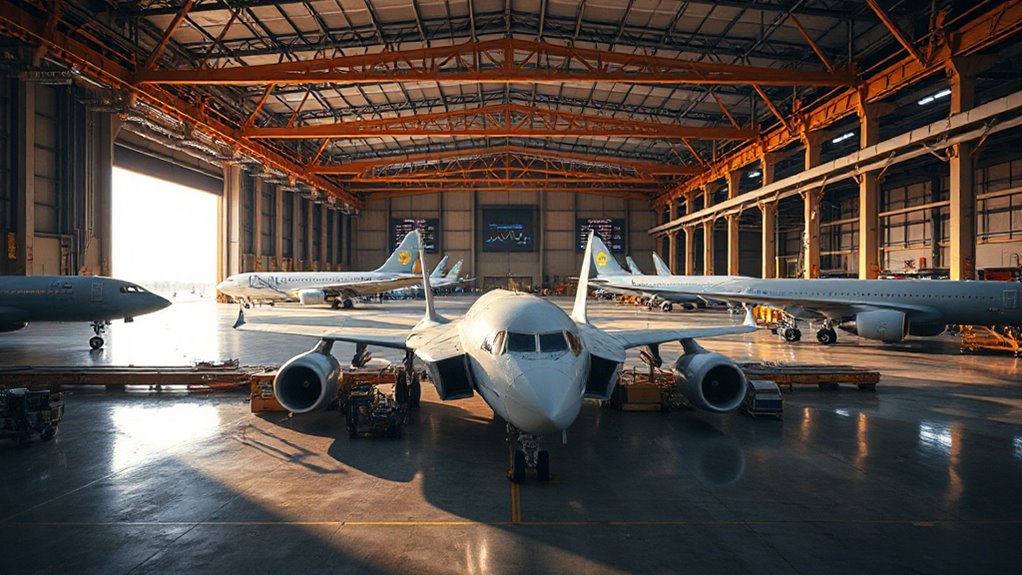
The strike began on August 4, 2025, and created major headaches for Boeing’s production schedule. Workers who build important military aircraft like F-15 and F/A-18 fighter jets stayed off the job for over three months. The walkout also disrupted production of T-7 trainer aircraft and various weapons systems.
Even commercial aircraft felt the pinch, with wing sections for Boeing’s massive 777X passenger plane experiencing delays.
Union members had been pushing for better retirement benefits and higher signing bonuses throughout the dispute. Boeing initially resisted making significant changes to their contract offer, but things shifted dramatically in early November.
On Monday, November 10, the company sweetened their deal by doubling the immediate cash bonus from $3,000 to $6,000 per worker.
The improved offer did the trick. Workers voted to accept the revised contract on Thursday, November 13, 2025, and are scheduled to return to work this Sunday, November 16. The union approved the five-year deal with 68% of members voting in favor.
The new agreement covers employment terms through 2030, giving both sides stability for the next several years.
This strike carried a hefty price tag for everyone involved. Economic experts estimate the dispute cost approximately $10 billion through just the first six weeks alone, earning it the unfortunate distinction of being 2024’s most expensive labor conflict in the United States.
Boeing shareholders felt the financial sting, while workers missed out on months of paychecks.
The resolution brings welcome relief to Boeing’s defense operations and their military customers. F-15 deliveries to the US Air Force had been delayed during the walkout, creating potential challenges for defense readiness. The Boeing Defense facilities in St. Louis can now resume their critical role in military aircraft production.
With workers returning to their stations, Boeing can now focus on clearing the production backlog and getting their various aircraft programs back on track.