








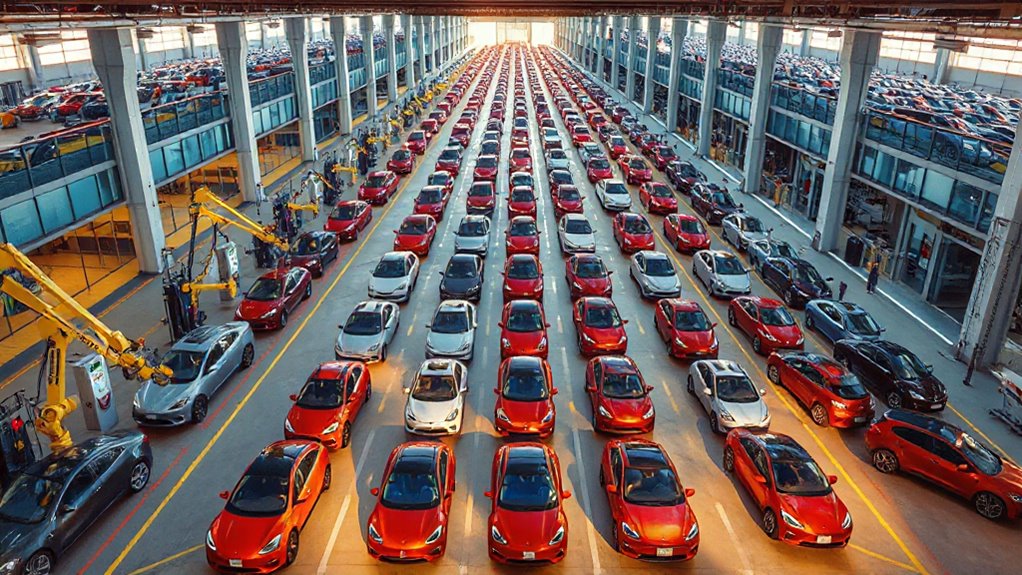
While most of the world is still figuring out how to make electric cars work for everyone, China has quietly become the undisputed champion of the EV race. In the first half of 2025, China sold an impressive 5.4 million electric vehicles, which represents nearly half of all cars sold there. To put that in perspective, China now produces 72% of all electric cars made worldwide.
China’s electric vehicle dominance is undeniable: 5.4 million EVs sold in six months, capturing 72% of global production.
China’s success isn’t accidental. The country has smart policies and strong government support that make buying electric cars attractive and affordable. This strategy worked so well that China exceeded its own ambitious targets. Meanwhile, other major markets are struggling to keep up with this electric revolution.
The numbers tell a fascinating story about how the world is changing. Global electric vehicle sales hit 9 million units in early 2025, making up 23% of all new car sales. That’s a big jump from just 19% the year before. Europe is doing reasonably well, reaching 23% market share, but the United States is having a tougher time. American EV sales actually dropped 15%, and the country’s share of global production fell from 8% to just 5%. Countries like Türkiye and Vietnam are successfully entering the clean transportation race with progressive policies.
While China dominates globally, an interesting story is unfolding in India. Two local companies, Tata and Mahindra, are thriving in their home market despite all the global disruption. These companies understand what Indian customers want and need. They focus on making electric vehicles that are both affordable and accessible to regular families.
This shift in the automotive world shows how important good policies are for success. China’s thorough approach includes government incentives, clear targets, and support for domestic brands. The automotive sector’s volatility creates opportunities for currency traders who monitor these developments through currency pairs that reflect economic shifts between manufacturing nations. Europe follows a similar path with strong environmental standards that push manufacturers to build more electric cars. Germany stands out with a remarkable 45% increase in electric vehicle sales, demonstrating how targeted policies can accelerate market transformation.
The global race for clean transportation leadership is heating up. China’s bold surge is forcing other countries to rethink their strategies and accelerate their own electric vehicle programs. Meanwhile, regional success stories like Tata and Mahindra prove that understanding local markets can help companies succeed even when facing intense global competition.