
Since taking office, President Trump has moved quickly to reshape America’s approach to cryptocurrency, launching what critics call a dramatic power grab in the digital money world.
On January 23, 2025, he wiped away Biden’s crypto policies with the stroke of a pen, setting up a new Working Group on Digital Asset Markets to rewrite the rules within 180 days.
Trump dismantled Biden’s cryptocurrency framework overnight, establishing a new working group to completely rewrite digital asset regulations within six months.
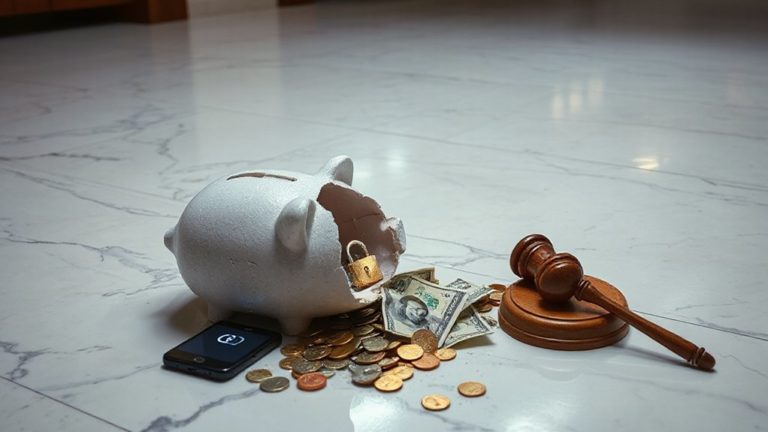
The changes came fast and furious. By March 6, Trump created a Strategic Bitcoin Reserve, fundamentally turning the government into a crypto collector. Think of it like a national piggy bank, but instead of coins, it holds Bitcoin and other digital money.
The Treasury and Commerce departments now have the job of figuring out how to buy more Bitcoin without breaking the federal budget.
The Securities and Exchange Commission got a major makeover too. Commissioner Hester Peirce now leads a special Crypto Task Force, and about 89 enforcement cases against crypto companies simply vanished.
Major lawsuits against popular exchanges like Coinbase and Kraken were dropped or frozen. It’s like calling off the financial police who were chasing crypto businesses.
Trump also slammed the door on central bank digital currencies, which would have been government-controlled digital dollars. He banned federal agencies from creating them entirely.
Congress jumped on board during what insiders called “Crypto Week.” They passed the GENIUS Act, requiring stablecoin companies to help authorities freeze suspicious payments when needed.
The House also approved legislation to permanently block the Federal Reserve from issuing digital dollars.
The White House threw its first-ever crypto summit, bringing together industry executives and government officials. The administration emphasized fair banking access for crypto firms, aiming to facilitate partnerships between traditional banks and digital asset companies.
Companies welcomed the regulatory clarity after years of confusing rules and surprise enforcement actions. The DOJ issued new guidance limiting criminal enforcement to conduct that actually victimizes investors, such as embezzlement and fraud.
However, Democrats and ethics watchdogs aren’t cheering. Groups like Accountable.US claim Trump is using presidential power to benefit himself and crypto industry friends.
They argue these policies remove important protections for everyday investors. Just as comparison shopping proves essential for finding affordable health insurance, investors now face the challenge of navigating a rapidly changing crypto landscape with fewer regulatory safeguards.
Critics describe the administration’s approach as an “industry wishlist masked as government policy,” raising questions about whether these sweeping changes truly serve the public interest or primarily benefit Trump’s allies in the crypto world.