
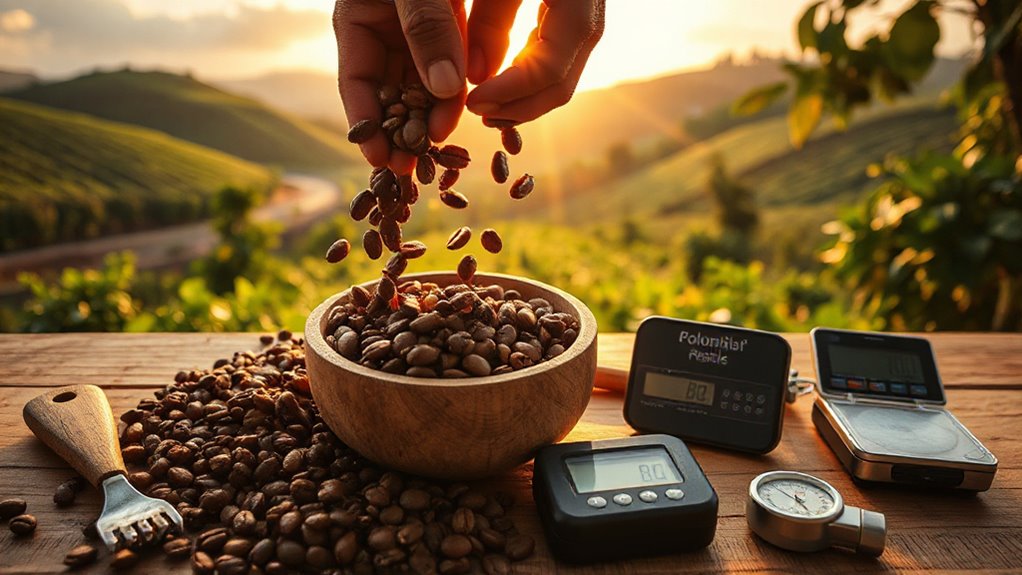
How can a single cup of coffee tell the story of an entire social revolution? In Colombia, women are quietly transforming an industry that men have dominated for generations. Behind every rich, aromatic bean lies a tale of determination, innovation, and change that’s reshaping how coffee reaches your morning cup.
Women now represent 30% of Colombia’s 525,000 registered coffee farmers, a remarkable jump from the late 1990s. Yet here’s the surprising twist: while only 25% hold official coffee ID cards, women perform 70-75% of all fieldwork, drying, and sorting. They’re doing the heavy lifting but not always getting the recognition. It’s like being the star player on a team but sitting on the bench during award ceremonies.
These determined farmers are creating their own path to success through cooperatives like ASPROTIMANA and Asoproca. These groups help women bypass middlemen who traditionally took large cuts of profits. Instead, they connect directly with premium coffee markets worldwide, earning fair prices for their exceptional beans. Think of it as cutting out the unnecessary middleman in a game of telephone.
The results speak volumes about their dedication. Women-led farms produce yields 6-8% higher than conventional operations, thanks to meticulous care and sustainable practices. They use organic fertilizers, reduce pesticide use, and focus on water conservation. Their attention to detail creates coffee that tastes better while protecting the environment.
Colombia’s specialty coffee market, valued at $1.5 billion in 2024, is expected to grow steadily. Women-led cooperatives are positioned to outperform others because buyers increasingly want sustainably produced, high-quality coffee. With Colombian coffee exports rising 11% recently and 40% heading to the United States, opportunities are expanding. Projects like biodigester adoption have enabled these cooperatives to reduce energy costs significantly while improving environmental sustainability. Meanwhile, arabica coffee prices reached record highs in October, creating additional opportunities for women farmers to benefit from elevated market conditions.
Despite progress, challenges remain. Only two women head regional committees in the National Federation of Coffee Growers for the first time in nearly a century. Many cooperatives struggle with limited technical knowledge needed for formal registration. Just like the cryptocurrency market where thousands of alternative options compete for recognition alongside established leaders, these women’s cooperatives must navigate a complex landscape to gain their rightful place in the industry.
Yet these women continue brewing change, one bean at a time, proving that revolution doesn’t always announce itself with fanfare—sometimes it whispers through morning coffee cups.