








How often do shoppers fumble for their wallets, only to realize their morning coffee costs more than their card’s tap-to-pay limit? This everyday frustration might soon become history as regulators prepare to shake up contactless payment rules.
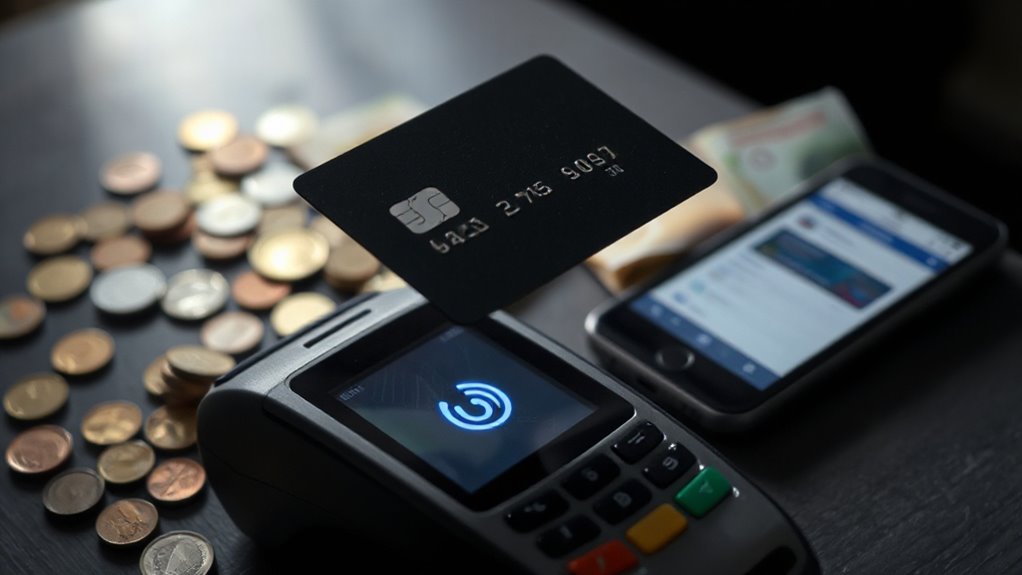
Starting March 2026, UK financial authorities will allow banks with strong fraud controls to set their own contactless limits. Currently, most cards cap tap-to-pay transactions at relatively low amounts, forcing customers to insert cards and enter PINs for pricier purchases.
Banks will soon control their own contactless spending limits, ending the frustration of PIN entries for everyday purchases.
The new rules promise more flexibility, letting some firms raise these limits considerably. The timing couldn’t be better for payment companies. Contactless transactions now represent almost 95% of eligible in-store card payments, with Mastercard reporting over 75% of its network transactions happening without physical contact.
The global contactless market, valued around $56-58 billion in 2024, continues growing at impressive rates of 16-21% annually. This growth surge isn’t accidental. Since the pandemic, consumers have embraced tap-to-pay for hygiene and speed reasons.
Surveys show 71% of people globally now prefer contactless payments, creating merchant demand for higher limits to serve mid-range purchases without checkout delays. However, convenience comes with catches. Higher limits mean bigger potential losses if cards get stolen or cloned.
Regulators address this concern by requiring banks to prove they have solid fraud prevention systems before raising limits. Consumer protections remain intact, ensuring people get reimbursed for unauthorized transactions.
The changes also hand control back to customers. New rules recommend letting people set their own limits or disable contactless features entirely. This personalization helps balance convenience with security based on individual comfort levels. The public consultation process that preceded these changes ensured stakeholder input shaped the final regulations. Industry groups like UKHospitality have welcomed these changes as beneficial for retail and restaurant businesses.
Critics worry about unintended consequences. Behavioral research suggests easier payments can trigger more impulse buying and unplanned spending. When tapping becomes effortless for larger amounts, shoppers might spend more than intended, potentially creating debt problems for vulnerable consumers. Like monetary policy adjustments that influence economic activity through spending patterns, payment system changes can create broader behavioral shifts in consumer habits.
Merchants face their own challenges, needing updated payment systems to handle flexible limits and enhanced fraud controls. Smaller businesses might struggle with these technical requirements.
As contactless limits rise, the question remains whether this represents genuine progress or simply makes overspending dangerously easy.