


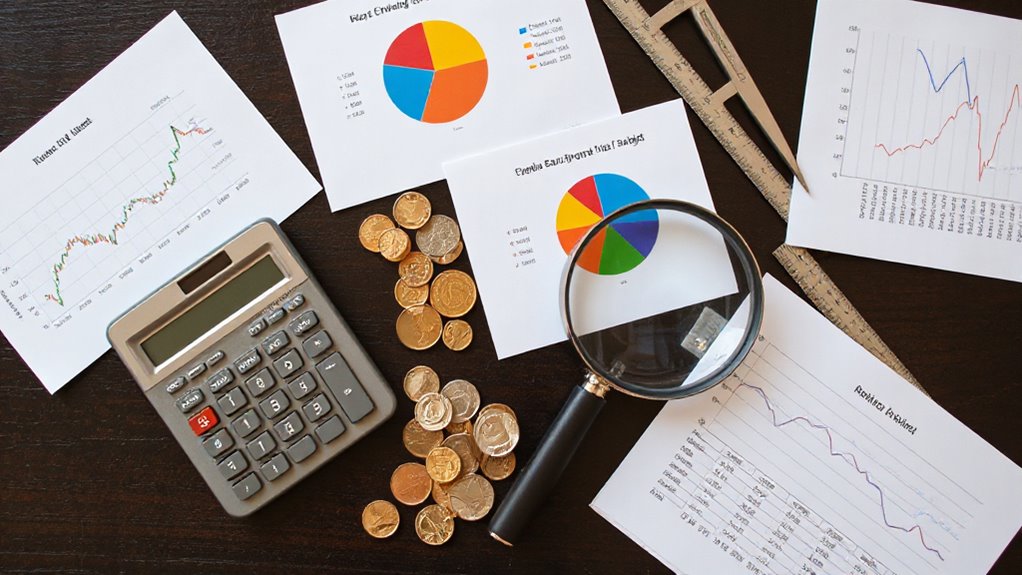








How can millions of Americans retire comfortably when nearly half of those over 55 have saved nothing for their golden years? The dream of a peaceful retirement is slipping away, forcing older workers to flood back into the workforce in 2026.
The numbers paint a stark picture. Eighty percent of households have saved less than $100,000 for retirement, while typical families may fall short by $400,000 to $500,000 for a comfortable retirement. Over 5.9 million Americans aged 65 and older already live below the poverty line, with the poverty rate for seniors climbing to 15% in 2024.
Social Security was never meant to be anyone’s sole income source, yet many seniors depend on it entirely. The 2026 cost-of-living adjustment of 2.8% sounds helpful until Medicare premium increases eat up the entire raise. It’s like getting a pay bump only to watch it vanish before your first grocery trip.
Healthcare costs create another headache. Sixty-six percent of people worry about affording medical care in retirement, and for good reason. Medicare premiums and deductibles are projected to rise between 4% and 12% in 2026. Medical expenses inflate faster than everything else, squeezing seniors who thought they had enough saved. Research indicates adults over 60 earning less than $20,000 annually die nine years earlier than wealthier counterparts.
Housing and food prices keep climbing while fixed incomes stay flat. One in four seniors survives on less than $30,000 yearly, forcing impossible choices between medicine, meals, and mortgage payments. Emergency savings offer little help when 69% of households have less than $1,000 stashed away. Since 2010, seniors have experienced an estimated 20% erosion in real income due to rising healthcare costs and inadequate benefit adjustments.
The earnings limit for Social Security recipients under full retirement age sits at $24,480 in 2026. Workers who exceed this amount lose $1 in benefits for every $2 earned above the limit. This penalty pushes many seniors into part-time work or forces them to carefully calculate every hour worked.
Economic pressures are reshaping retirement completely. By 2033, experts predict 55% of all workers may live paycheck to paycheck, rising to 65% by 2043. When current workers can barely save money, future retirees face even bleaker prospects. Many retirees who invested in dividend-yielding stocks find their income inadequate as companies reduce or eliminate dividend payments during economic downturns.
The traditional retirement timeline is crumbling, replaced by a new reality where working into your seventies becomes normal rather than exceptional.