






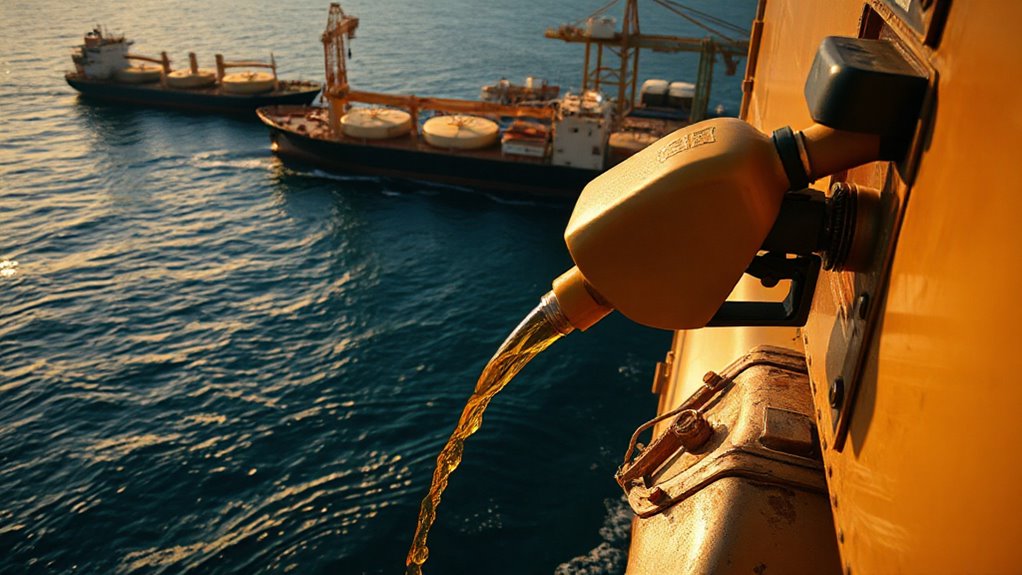
Diesel prices have rocketed to their highest point in 16 months, climbing to $4.86 per gallon on March 9, 2026—a jump of nearly a dollar in just one week. This sharp increase of $1.40 since mid-January represents a 40% rise from the year’s low point. Compared to last year, diesel costs have surged 36%, marking the steepest level since October 2022.
The main driver behind this spike is conflict in the Middle East, which has pushed crude oil prices into the mid-$70 per barrel range. War in the region directly affects diesel costs because crude oil from the Middle East can be refined efficiently into gasoline and diesel. Iranian threats to close the Strait of Hormuz add more worry, since blocking ship traffic there would make the situation even worse.
Gasoline prices are climbing too, though not quite as dramatically. The national average reached $3.25 by early March, jumping 27 cents and rising 25% since January. That’s a 14% increase compared to last year.
California drivers face the highest prices at $5.21 per gallon, while Colorado saw a 27.1% monthly increase to $3.59. Cities like New York and Houston have also experienced double-digit percentage increases, reversing a three-year decline from the 2022 peak above $5.
These fuel spikes hit wallets in many ways. Diesel powers trucks and trains that move goods across the country, so higher prices mean more expensive groceries, packages, and everyday items. Economists expect inflation measures like the Consumer Price Index to reflect these increases in April. Trucking companies face a particularly tough squeeze since freight rates remain weak even as fuel costs soar.
Looking ahead, diesel prices will likely keep rising as long as the conflict continues. The January low of $2.91 for gasoline now seems like a distant memory. Energy markets remain volatile, and competition for fuel between Europe and Asia adds pressure.
For families and businesses alike, planning for higher transportation and shipping costs has become essential in these uncertain times. Central banks set policy rates that can influence fuel demand and broader inflationary pressures, highlighting the role of policy interest rates in the economic response.