
Economic Confidence in America Hits 20-Year Low
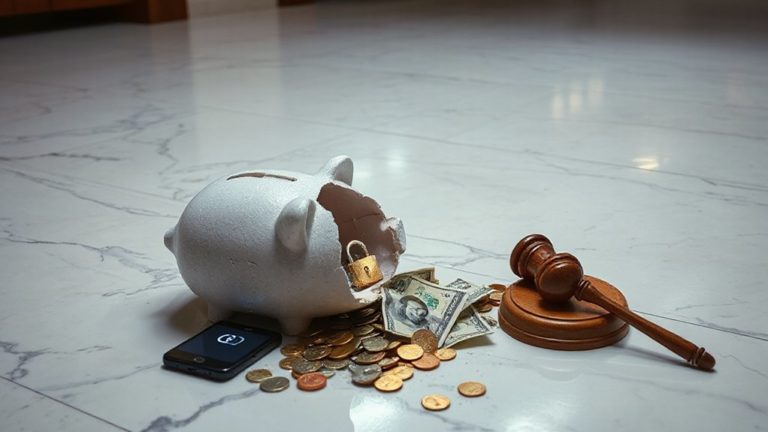
American consumers are feeling remarkably pessimistic about the economy, with confidence dropping to levels not seen in over a decade. The Conference Board’s consumer confidence index plummeted to 84.5 in January 2026, marking the lowest point since May 2014.
This decline represents a sharp 9.7-point drop from December’s reading and even falls below the lows experienced during the COVID-19 pandemic. The expectations index tumbled to 65.1, dipping below the critical 80 threshold that typically signals a recession ahead.
Other major surveys confirm this troubling trend, showing Americans across all age groups and income levels share these gloomy economic views. Such deteriorating sentiment often precedes reduced spending and can be influenced by shifts in interest rates, which affect borrowing costs and economic activity.
Why Food and Housing Costs Are Crushing Confidence
Behind the sharp drop in consumer confidence lies a crushing reality: the cost of life’s most basic necessities has spiraled beyond what most families can comfortably afford.
Housing expenses have jumped 50% since 2017, while paychecks grew only 38-43%. Grocery bills tell a similar story, rising 32% since 2019 and outpacing wage growth. Nearly two-thirds of shoppers now buy cheaper food or less of it.
These aren’t luxury items causing stress—they’re roofs overhead and meals on tables. When everyday essentials consume bigger chunks of budgets, people naturally feel less optimistic about economic prospects ahead. Inflation can erode purchasing power and harm fixed-income investments, underscoring the importance of real assets in protecting portfolios.
How Income Level Shapes Your Economic Outlook Right Now
Why does the same economy feel so different depending on what someone earns? Higher-income households are enjoying business and personal tax cuts from the One Big Beautiful Bill Act, while their stock portfolios remain valuable despite slow growth ahead.
Meanwhile, lower and middle-income families face shrinking purchasing power as businesses pass tariff costs directly to shoppers. Wage growth is slowing as immigration drops, limiting job opportunities. Even modest projected income gains of 1.5% in 2026 won’t feel equal when inflation hits hardest at the grocery store and rent payment—expenses that consume bigger chunks of smaller paychecks. Central bank actions also matter, since changes in interest rates affect borrowing costs and the returns on savings, which can widen economic outcomes for different income groups, especially through shifts in real interest rates.
Why Young Americans Are Giving Up on Homeownership
Reaching forty years old before buying a first home sounds unthinkable to older generations who managed the milestone in their twenties, yet that’s now the average reality facing young buyers today.
Mortgage payments jumped 82% in five years while incomes only grew 26%. Buying a typical home now requires earning $116,600 annually, far above the average household income of $86,400. This gap feels impossible to bridge, leading 42% of Americans to believe they’ll never afford a home they love. Nearly half of Gen Z shares this pessimism. One in six potential buyers has abandoned homeownership dreams entirely over the past six years. Building an emergency fund covering 3-6 months of expenses can help people better weather income shocks and preserve down-payment plans during economic downturns, especially when prioritizing diversification in savings and investments.
What Economic Anxiety Means for Jobs and Spending in 2025
Housing affordability isn’t the only economic pressure keeping Americans up at night. The job market is showing serious weakness, making workers increasingly nervous about their futures. Economic anxiety is reshaping how people approach both work and spending, creating a ripple effect across the entire economy.
Key indicators of the economic strain include:
- 584,000 total jobs added in 2025, a dramatic drop from 2 million in 2024
- 47% of workers doubt their ability to find good jobs, up from 37% in 2023
- 58% report salaries aren’t keeping pace with inflation
- 52% anticipate nationwide layoffs to increase throughout 2026
- 32% maintain side hustles alongside main jobs for financial security
This widespread uncertainty is already weakening consumer spending nationwide. Markets often begin to recover 3-6 months before a recession officially ends, underscoring the forward-looking nature of investors.