










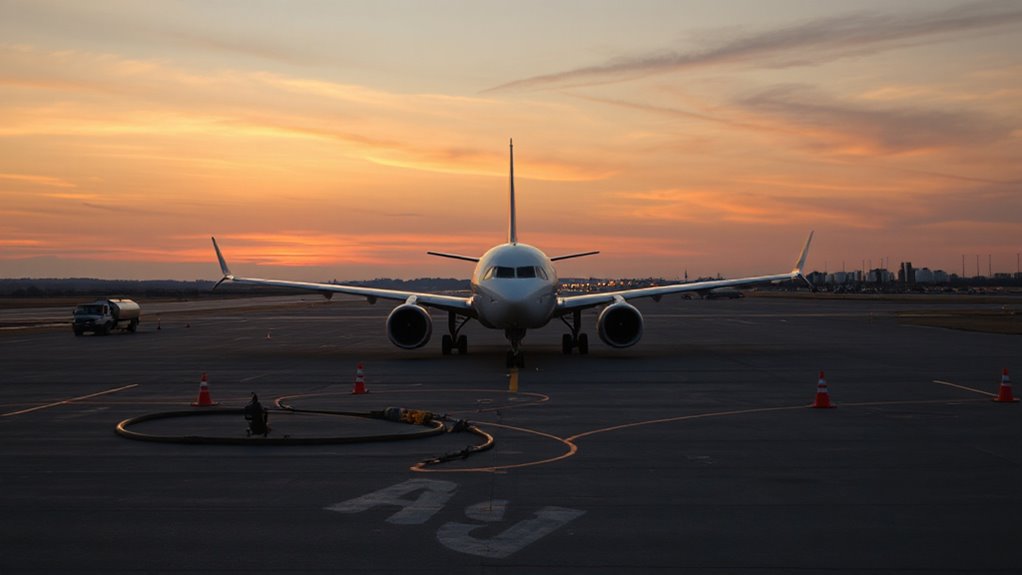
Why the Iran Conflict Threatens Jet Fuel Supplies in May
The Iran conflict has quietly turned into one of the biggest headaches for airlines heading into May. The Strait of Hormuz, a critical waterway for global jet fuel shipments, saw tanker traffic slow sharply as tensions rose. Nearly 19 million tons of jet fuel previously flowed through that narrow passage. With the strait blocked or restricted, supplies heading to Europe began running thin. Think of it like a garden hose with someone’s foot on it. Refineries in Kuwait also suffered war damage, cutting production further. Pre-war fuel stockpiles are expected to run out by late April. Aviation fuel costs have doubled to $150 a barrel as a result of the ongoing conflict. Airlines are also facing operational challenges from tight spreads and rapid decision-making demands.
How Much Disruption Could European Airlines Actually Face?
European airlines are now staring down a fuel crisis that could shake up summer travel in a big way. Ryanair risks losing 10 to 25 percent of its fuel supplies through May and June. Lufthansa is making backup plans and could ground up to 40 aircraft. Scandinavian Airlines has already cut 1,000 flights and raised ticket prices.
Think of it like a gas station running low before a holiday weekend. Flights could be canceled or rerouted. Passengers may pay higher fares through fuel surcharges. Europe’s busiest travel season is approaching fast and the timing could not be worse.
The UK has been identified as the most exposed country in Europe to tightening diesel and jet fuel supply. Jet fuel prices have approached a historic 195 dollars per barrel, driven by constrained crude supply and ongoing geopolitical uncertainty. Pre-market trading in the U.S. begins as early as 4:00 a.m. ET, reflecting how energy markets can react outside regular hours.
What Ryanair Is Doing to Secure Jet Fuel If Supplies Run Short
While other airlines scramble to figure out their next move, Ryanair has already been playing chess instead of checkers. The airline locked in smart preparations before disruptions hit.
Here is how:
- Hedged 80% of fuel at $67 per barrel through March 2027
- Secured current supplies with no cancellations planned
- Built operational flexibility to handle 10–25% shortfalls in May–June
- Coordinated with suppliers monitoring market risks continuously
Think of it like stocking your pantry before a storm. Ryanair stocked up early. Competitors scrambling now will likely pass higher costs directly to passengers through pricier tickets. EasyJet’s chief executive Kenton Jarvis has already warned that higher ticket prices are expected toward the end of summer when existing fuel hedges come to an end. The EU is also stepping in, with bulk fuel purchasing and energy storage options being examined as mitigation measures ahead of an EU package expected next Wednesday. Ryanair’s approach reflects broader financial prudence, emphasizing diversification and readiness to preserve cash flow during disruptions.
What the EU’s Energy Package Means for Airlines Facing Fuel Shortages
How does a rule change in Brussels end up making plane tickets more expensive? It starts with the EU’s 18th sanctions package targeting Russian crude oil. European refiners now scramble to find replacement supplies from elsewhere. That competition drives up costs. Think of it like everyone rushing to buy the last few pizzas at a party. Prices climb fast.
Airlines already struggling with Middle East supply disruptions now face this extra pressure. Worse, most hedging contracts protecting airlines from high fuel prices expire soon. Once that protection disappears, carriers like Ryanair will feel the full force of rising fuel costs immediately. Such cost pressures can feed into broader markets by influencing interest rates, which in turn affect borrowing costs across the economy.
European jet fuel prices doubled since late February following U.S. and Israeli strikes on Iran, adding yet another financial shock to an industry already navigating unprecedented supply chain pressure.
Industry forecasts warn that ETS compliance costs for airlines could rise to five to six times 2019 levels by 2025, meaning carriers face a crushing double burden of soaring fuel prices and escalating carbon obligations simultaneously.