
What Triggered the Sudden Iran Ceasefire Deal?
Within 90 minutes of a massive strike deadline, President Trump posted a surprise announcement on Truth Social that stopped a military attack on Iran. Think of it like pulling a fire alarm seconds before the building burns down.
Several forces pushed Trump toward this sudden pause. Advisers Vance and Witkoff urged him to take a deal if one was available. Rising oil prices and falling stock markets added economic pressure. Iran also sent a 10-point proposal through Pakistani intermediaries.
Trump called the plan a workable starting point and offered a two-week ceasefire tied to Iran opening the Strait of Hormuz. Central bank concerns about rising oil prices and market stability likely added urgency to the decision.
Why the Strait of Hormuz Closing Again Threatens the Price Drop
Despite the ceasefire bringing oil prices down below $100 a barrel, the Strait of Hormuz still sits at the center of a very fragile situation. Think of it like a garden hose with someone’s foot still hovering nearby.
Before the ceasefire, flows through Hormuz collapsed from 20 million barrels daily to almost nothing. That shock sent Brent crude above $100 and forecasts toward $150-$200 if disruptions continued. Markets still fear another closure. Even partial blockages could restart daily price hikes of $2-$3 per barrel. Asia would suffer most since 80% of Hormuz oil previously headed there. Approximately 30% of global seaborne oil trade has already been disrupted since the Iran war began, underscoring just how quickly another closure could unravel any relief the ceasefire provides. Central bank rate cuts could lessen immediate market panic by reducing financing costs for traders and consumers.
Oil Prices Crashed 16%: Here’s What the Numbers Show
When the ceasefire hit the news, oil prices didn’t just dip — they nosedived. WTI crude fell $18.43 to settle at $94.53 per barrel. That’s a drop of nearly 16% in a single day — the steepest in five years. Central bank decisions on interest rates can also shape market reactions to such shocks by influencing borrowing costs and investor sentiment, especially through policy interest rates.
Brent crude wasn’t far behind, losing $15.54 to land at $93.73. Think of it like a store slashing prices overnight.
On India’s MCX exchange, oil tumbled over 16% to ₹8,911 per barrel. WTI even swung from $117 intraday down to below $93. That’s nearly a 20% freefall in hours — a dramatic market gut punch. While energy stocks took a beating, the broader market told a very different story, with the Dow Jones surging approximately 1,200 points on the same day.
The ceasefire agreement included a critical provision allowing ships to pass freely through the Strait of Hormuz for two weeks, instantly calming fears over disruptions to a waterway that handles up to 20% of the world’s oil supply.
Stocks Surged, But the S&P 500 Is Still Down 5
While oil prices were taking a beating, stock markets were doing the opposite — at least for a moment. The Dow jumped over 1,300 points at the open. The S&P 500 climbed 2.3% and the Nasdaq popped more than 3%. Fifteen S&P 500 stocks gained 10% or more. Travel companies and chipmakers led the charge. Investors celebrated like a snow day had been announced. Many traders used ETFs to gain quick exposure to the broad market moves.
But zoom out and the picture looks different. Despite Wednesday’s big surge the S&P 500 remained down 5% overall. One good day doesn’t erase weeks of worry. The rally felt real but the hole was still deep. UnitedHealth Group also jumped over 10% after the government announced a large Medicare Advantage reimbursement increase for 2027.
Traders were also repricing interest rate expectations in a big way. Market-implied odds of at least one Fed rate cut before year-end jumped from 14% to 41% overnight, as lower oil prices cooled fears of inflation staying stubbornly high.
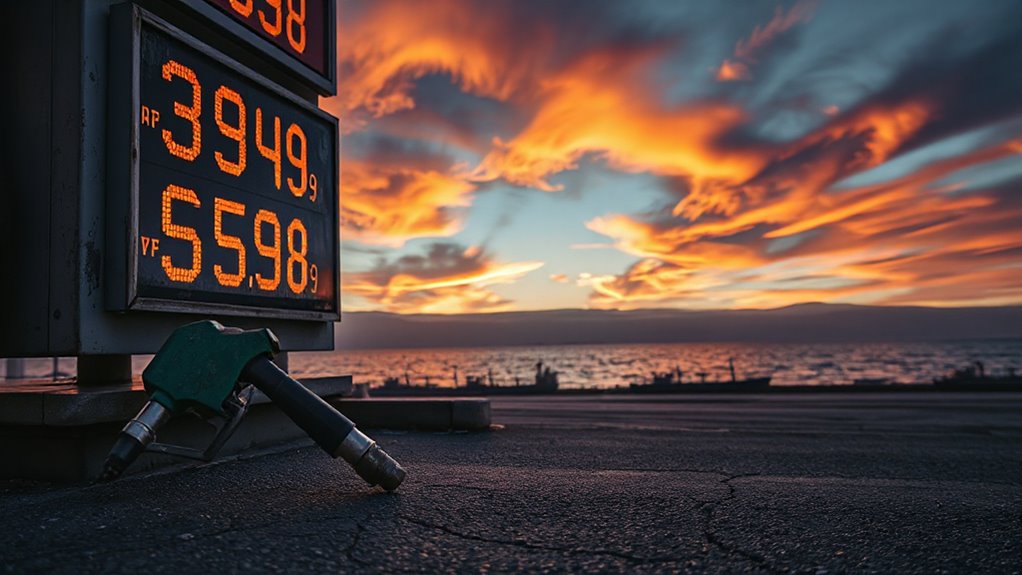
Will Gas Prices Actually Drop at the Pump?
So oil prices crashed — but will drivers actually feel it at the pump? Probably yes, but slowly.
Experts say prices could start dropping this weekend by a few cents. Within one to two weeks, the national average could dip below $4 per gallon. That sounds great after hitting $4.16 recently.
The first week might bring a 5-to-10-cent drop. The second week could add another 7 to 15 cents.
However, gas prices are “sticky downward,” meaning they fall slower than oil does. And if the ceasefire falls apart, prices could jump right back up. The Strait of Hormuz normally carries about a fifth of the world’s oil each day, meaning resumed tanker traffic will be critical to any lasting relief at the pump. Gas prices are already up 91 cents from a year ago, according to AAA data, underscoring how much ground drivers are hoping to claw back. A rebound in supply as European market hours stabilize shipping and trading could help extend the price relief.