








What Was Ryan Cohen’s $56 Billion Bid to Buy eBay?
GameStop’s chief executive Ryan Cohen made headlines when he proposed buying eBay for around $56 billion. That is an enormous amount of money for any company but especially surprising coming from GameStop. Cohen offered $125 per eBay share which was about 46% more than eBay’s stock price at the time. Think of it like offering someone $146 for something priced at $100. The deal mixed cash and stock rather than paying everything upfront. Cohen believed combining both companies could create a stronger competitor against Amazon and help eBay run leaner and smarter than before. He also envisioned using GameStop’s physical stores as authentication and fulfillment hubs for collectibles and high-value eBay items. Following the stunt, Bloomberg’s website flagged unusual activity from Cohen’s network and required him to verify he wasn’t a robot before he could access further market coverage of his bid. The proposal would have required direct market access and sophisticated trading infrastructure to handle any large-scale share transactions.
Which Items Did Cohen List: and What Did They Sell For?
When Ryan Cohen listed items on eBay as part of his takeover stunt, the mix of products was anything but boring. Baseball cards, video games, an old iPhone, and even a dog painting appeared alongside GameStop merchandise. The GameStop items stole the show. A pair of store signs attracted bids reaching $21,100. A pair of socks climbed past $14,000. A mug topped $3,000 and a mouse pad passed $1,500. Every purchase reportedly came with a copy of Cohen’s proposal letter to eBay. The pricing felt intentionally wild, designed more to grab attention than reflect actual market value. The account behind the listings had been active since 2019 and maintained a 100 percent positive feedback rating before the suspension. eBay’s internal AI tool flagged the activity as suspicious, triggering an automatic account ban before the platform later reinstated Cohen’s buying and selling privileges after further review. Such atypical listings can cause supply and demand distortions in niche markets.
Why Did eBay Ban Cohen’s Account After the Bid?
Days after Cohen sent his $56 billion offer to eBay, his seller account went dark. eBay said the account posed a risk to “the eBay community” and suspended it indefinitely. The platform never clearly explained what triggered the ban. However, reports pointed to unusual selling patterns. His listings drew rapid bidding and fast price jumps — exactly the kind of red flags that eBay’s automated safety systems are built to catch. eBay denied any connection to the takeover bid. Still, the timing was hard to ignore. Getting banned by the company you just tried to buy felt like quite the plot twist.
The suspended account was identified as “ryan_5050”, and a screenshot of the ban was reportedly posted on X, formerly Twitter, where it quickly went viral. Among the items Cohen had listed were personal belongings such as GameStop store signs, video games, and a hand-signed copy of his takeover proposal letter sent to eBay management. The suspension came during regular U.S. market hours, when major exchanges are open from 9:30 a.m. ET to 4:00 p.m. ET.
How Did eBay’s AI Flag the Ban: Then Restore the Account?
Behind the scenes, eBay’s artificial intelligence system moved fast. Before any human even looked at the situation, the AI flagged Cohen’s account for suspicious activity and triggered an automatic ban.
Think of it like a smoke detector going off before anyone actually checks for fire. The notice warned his account was “putting the eBay community at risk.” AI systems in trading and marketplaces often analyze vast data streams to uncover hidden patterns that trigger automated actions.
However, the AI did not get the final word. After human reviewers took a closer look, eBay reinstated the account. The whole process happened quickly within the same news cycle. eBay never publicly explained exactly what triggered the flag or what cleared it. Bill Smead’s firm had owned eBay shares for nearly 20 years when the public questioning of the deal’s financing coincided with Cohen’s account suspension. Cohen had originally directed his followers to the account as a way to pay for eBay.
Why Did eBay Formally Reject Cohen’s Offer Anyway?
So why did eBay’s board say no so firmly? Simply put, they found the offer unconvincing on almost every level.
The price tag sat around $125 per share, totaling roughly $56 billion. GameStop had about $9 billion in cash plus a $20 billion financing commitment from TD Securities. That still left a massive funding gap.
GameStop’s $56 billion bid left a massive funding gap, with cash and financing falling billions short.
Beyond the money problem, analysts saw little real connection between an online marketplace and a video game store chain. The board also worried the deal would crush the combined company’s credit rating. GameStop had argued its 1,600 retail locations could serve as a national network for authentication, intake, and fulfillment operations for eBay.
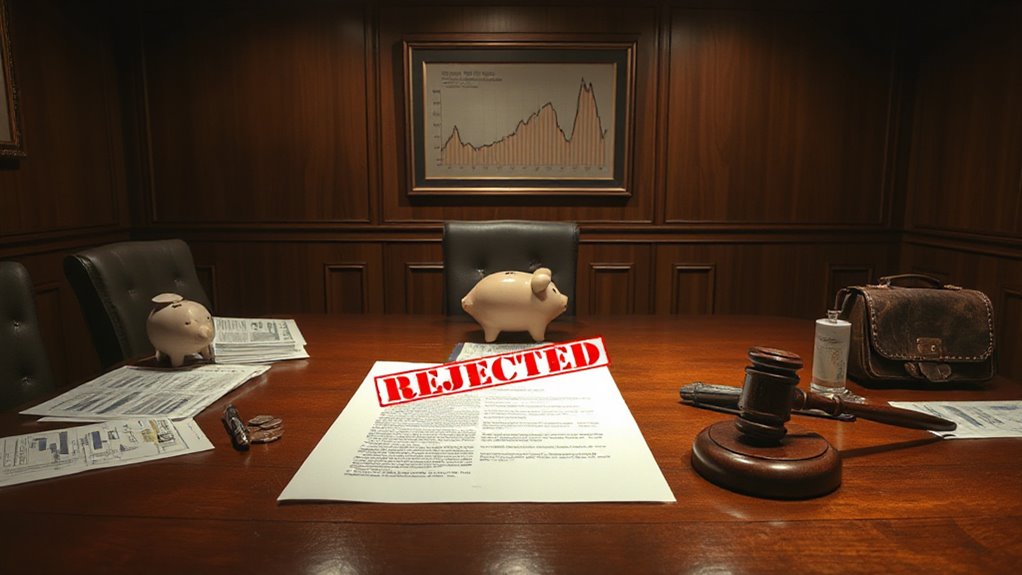
Independent advisers reviewed everything and reached the same conclusion: no deal. Advisers’ fees and potential conflicts of interest were among the practical concerns raised by reviewers. Chairman Paul Pressler delivered the board’s formal conclusion in a letter and an SEC Form 8-K.