










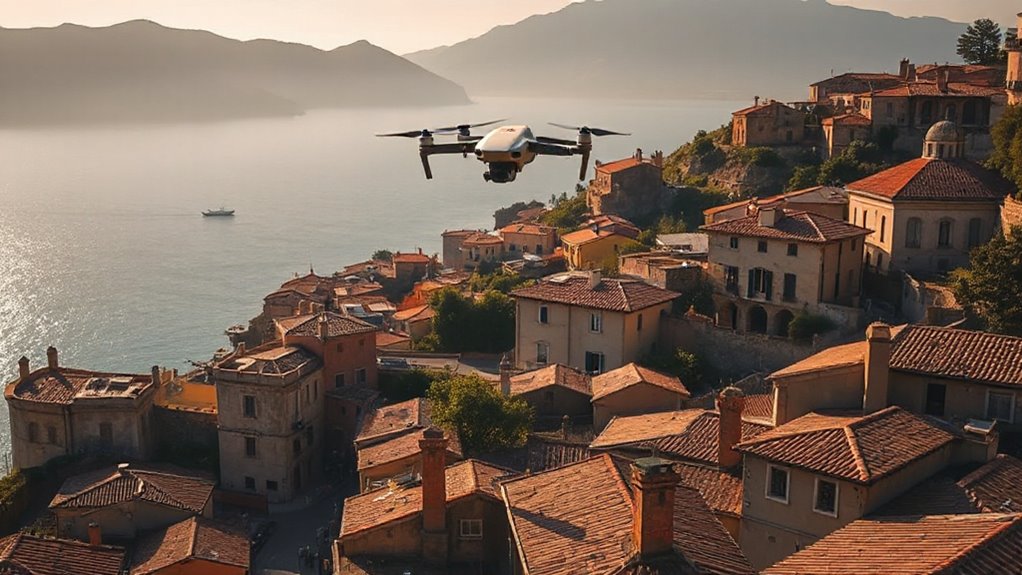
After completing successful test flights in Italy’s coastal Abruzzo region, Amazon has unexpectedly pulled the plug on its Prime Air drone delivery program there, citing business and regulatory challenges that don’t align with the company’s long-term goals.
The decision caught Italy’s civil aviation authority ENAC completely off guard. Amazon had just wrapped up real-world delivery tests in San Salvo during December 2024, with plans to launch commercial drone deliveries by late 2024. Instead, the company announced in late December 2025 that it was shelving the entire Italian operation less than a year after testing began.
ENAC described the move as unexpected, especially since cooperation between Amazon and Italian regulators had been going smoothly. The aviation authority noted positive engagement throughout the testing phase and confirmed that aviation safety or airspace concerns weren’t factors in Amazon’s decision. Instead, ENAC pointed to internal company policy changes and recent financial developments within Amazon’s broader operations.
Amazon explained that Italy’s current regulatory framework simply doesn’t support their long-term drone program ambitions. The company cited the broader business environment in Italy as a key factor, suggesting that strategic priorities outweighed the regulatory progress they had achieved with Italian authorities. The halt followed a comprehensive strategic review examining all aspects of the Italian drone delivery initiative.
This Italian setback highlights an important reality about drone delivery programs. Getting aviation approval is just one piece of a much larger puzzle. Economic feasibility and local logistics play equally important roles in expansion decisions.
Cool technology can become surprisingly expensive when companies try to scale it up for everyday use. Amazon, which currently does not pay cash dividends to shareholders, must carefully evaluate the profitability of each business venture as it prioritizes capital allocation across its various operations.
Meanwhile, Amazon’s Prime Air operations continue successfully in the US and UK markets. Test flights and commercial deliveries in those regions have received positive customer feedback, showing that the technology itself works well when business conditions align properly. The program has encountered various operational challenges including crashes and investigations by aviation authorities in multiple locations.
The Italian experience echoes Prime Air’s decade-long journey of resets and adjustments. Even Amazon’s newer MK30 drone, which runs 40% quieter than previous models, faces challenges beyond just technical improvements.
The company has dealt with incidents like drones hitting cranes in Arizona and noise complaints in the UK, proving that turning drone delivery dreams into profitable reality requires patience, persistence, and perfect timing.
Related Posts