




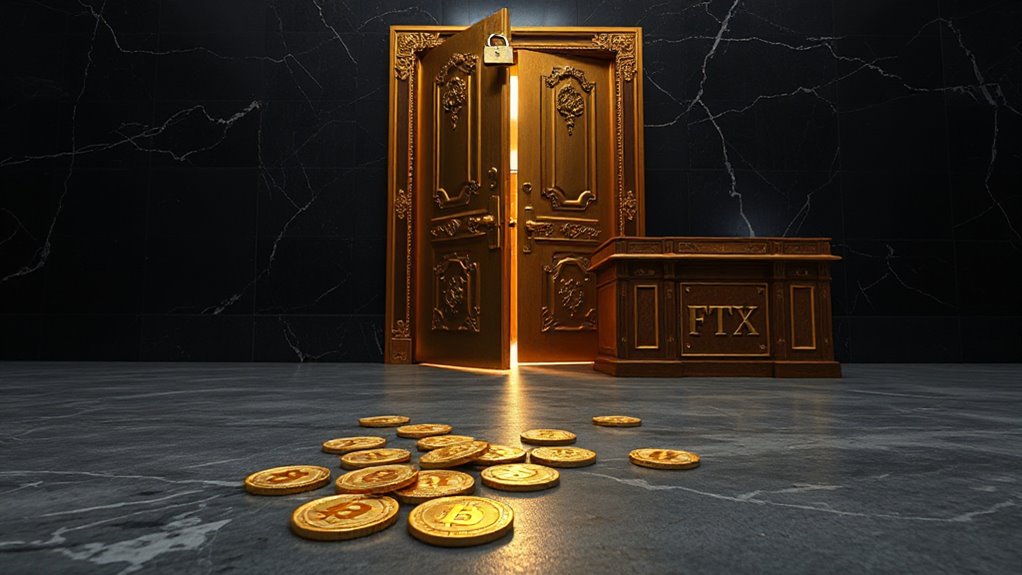
President Trump has shut the door on a pardon for Sam Bankman-Fried, the disgraced founder of the collapsed FTX cryptocurrency exchange. In a New York Times interview, Trump stated clearly that the former crypto executive would not receive clemency. This definitive answer ends months of speculation about whether Bankman-Fried might escape his 25-year prison sentence through presidential intervention.
Bankman-Fried was convicted in March 2024 on multiple counts related to stealing billions of dollars from FTX customers. The case became one of the largest financial fraud prosecutions in American history. Federal prosecutors proved he misused customer funds, leading to devastating losses when the exchange collapsed. The judge handed down a quarter-century prison term reflecting the severity of his crimes. Central banks’ policy moves, which influence broader financial conditions, have indirect effects on markets that can shape the environment around high-profile financial cases like this one, especially in times of economic stress policy interest rates.
Despite this rejection, Bankman-Fried’s family mounted substantial efforts seeking leniency. His parents, both Stanford law professors, submitted letters to the court during sentencing. Conservative activist Laura Lumer claimed a well-funded campaign existed to convince Trump to grant a pardon. Bankman-Fried even participated in a jailhouse interview with Tucker Carlson, apparently attempting to appeal to Trump-aligned media audiences.
The pardon denial becomes more notable when compared with Trump’s clemency decisions for other crypto figures. Ross Ulbricht of Silk Road received a full pardon in January 2025. Changpeng Zhao from Binance and BitMEX co-founders also gained presidential mercy. These contrasting outcomes highlight how Bankman-Fried’s situation differs markedly from other cryptocurrency cases. Trump’s October 2025 pardon of Changpeng Zhao was framed by the White House as ending the Biden administration’s war on cryptocurrency.
Political factors likely influenced Trump’s decision. Bankman-Fried donated heavily to the Democratic Party and Joe Biden personally. This political background separates him from other pardoned crypto leaders who aligned differently. Trump grouped Bankman-Fried with other high-profile figures denied clemency, including Sean “Diddy” Combs and Nicolas Maduro.
For investors and crypto observers, Trump’s announcement removes pardon speculation as a variable in evaluating FTX-related risks. Markets may now focus on legal appeals and judicial processes rather than clemency-driven outcomes. Bankman-Fried now faces his lengthy sentence with only traditional appellate court options remaining. His legal team will need to pursue judicial review through normal channels rather than hoping for executive intervention.
Related Posts