





Plan Your Travel Budget Before You Book Anything
Before booking a single flight or hotel room, a smart traveler sets one firm number: the total amount the whole trip can cost.
Before spending a single dollar, the smartest travelers start with one number: the total trip budget.
That one ceiling keeps every later decision grounded.
A good starting point is destination, trip length, and travel style because those three factors drive most costs. Many travelers also park short-term cash in a money market fund when they want liquidity with low risk while saving for the trip.
Some guides suggest spending no more than five to ten percent of annual net income on yearly vacations.
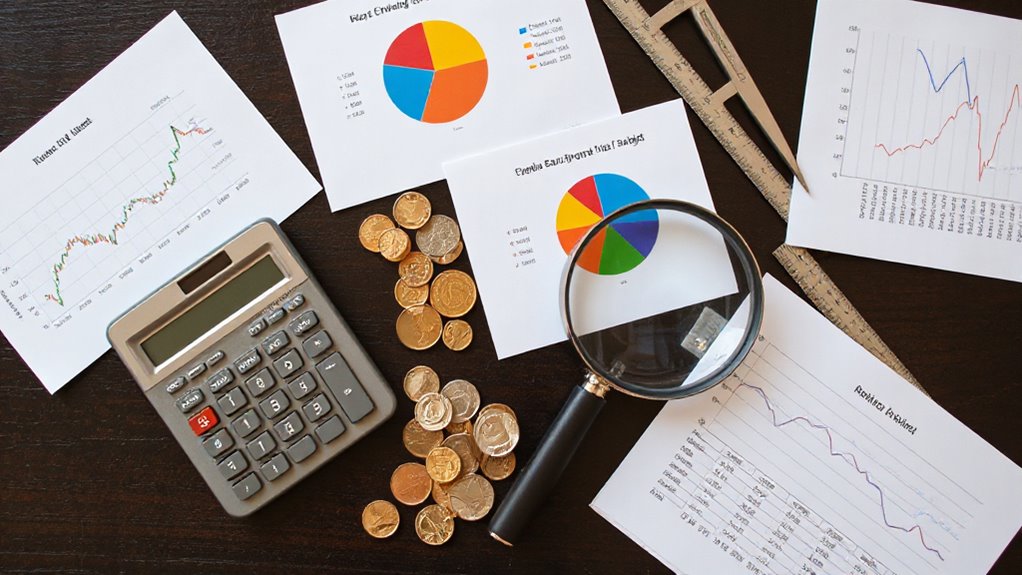
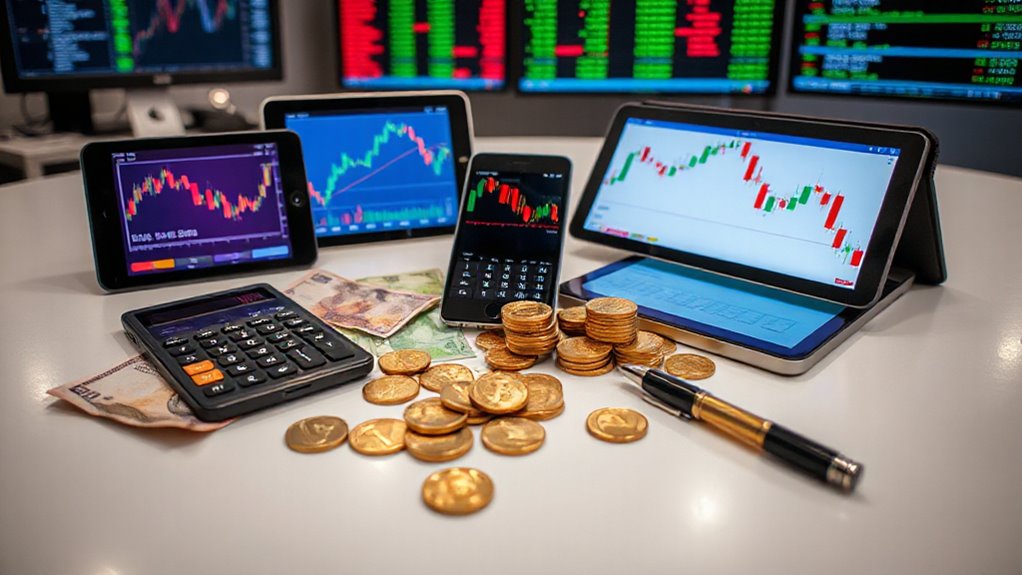
A simple spreadsheet or budget calculator then turns rough guesses into a clear spending limit.
Setting that cap first stops the classic mistake of booking by gut feeling and wondering later where the money went.
Costs across four main pockets — transportation, accommodation, food, and activities — are where that total budget gets divided and spent.
Building in an emergency fund of ten to twenty percent of the total travel budget protects against unexpected costs like medical treatment, missed connections, or last-minute accommodation changes.
How to Spend Less on Food, Transport, and Daily Costs
Once the trip budget is set, the next challenge is keeping daily spending under control.
Street food and local markets are usually far cheaper than sit-down restaurants. Cooking simple meals helps too, so accommodation with a small kitchen is worth considering.
For transport, public transit typically costs just $5–10 daily compared to pricier taxis. Booking flights and trains early can also open up better fares.
Carrying snacks and a water bottle prevents those sneaky impulse buys that quietly drain the budget.
Tracking spending each day catches overspending early, leaving more money for experiences that actually matter on the trip. Using credit card rewards on dining purchases can also return some of that money back through points or cash back.
Dining out during Happy Hour from 4:00 PM to 7:00 PM is a practical way to enjoy sit-down meals at reduced prices, with discounted appetizers and drinks available at many restaurants.
Limit your losses with a limit order mindset to set clear spending thresholds before you buy anything.
Hidden Fees That Drain Travel Budgets and How to Avoid Them
Careful budgeting can fall apart fast when hidden fees appear out of nowhere. Checked bags can cost $30 to $75 each way and overweight bags can cost even more. Resort fees average around $26 per night and sometimes reach $50. Rental cars at airports often add 10% to 30% in surcharges. Abroad, foreign transaction fees quietly eat 2% to 3% of every purchase. Travel insurance is frequently dismissed as unnecessary, yet it covers medical costs, evacuation, and trip interruption or cancellation. Simple habits help avoid most of these surprises. Pack light and carry on. Read hotel fine print before booking. Choose cards with no foreign transaction fees. Some airlines charge up to $25 per passenger for agent-printed boarding passes. Small steps keep more money where it belongs. Acting now can also lock in current savings because enhanced tax credits have made many plans much more affordable.