


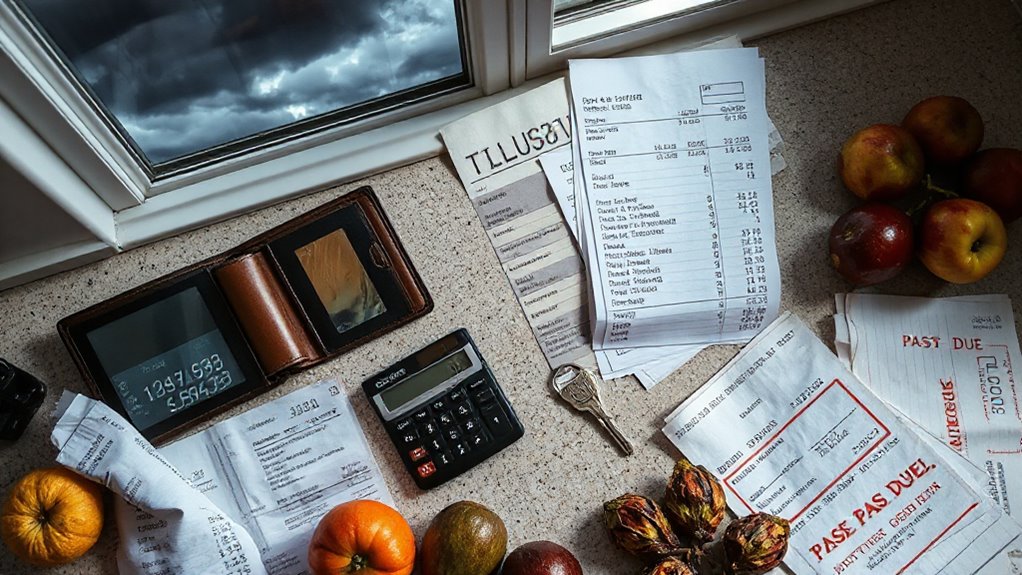
As oil tankers sit idle and shipping lanes through the Strait of Hormuz remain blocked, American families are feeling the financial squeeze in nearly every corner of their daily lives. The disruption has removed one-fifth of the world’s oil and gas supply from the market, creating the largest oil supply shock in history and sending crude prices soaring past $100 per barrel with projections reaching $200.
The Strait of Hormuz blockade has triggered history’s largest oil supply shock, with crude prices surging past $100 per barrel.
Gas stations across the country tell the story most clearly. The average U.S. gas price hit $3.60 per gallon on March 12, jumping 35 cents in just one week. That quick climb means filling up the family car now costs noticeably more, even though America produces record amounts of oil domestically. Global markets connect everyone, and when shipping halts in distant waterways, prices rise everywhere.
Grocery bills are climbing too, though the reasons might surprise shoppers. Higher fuel costs push up the price of transporting food by truck, ship, and plane. Gulf states that import 70% of their food face emergency shortages, with consumer prices spiking between 40% and 120% for basic staples. Coffee, tropical fruits, and other imported items cost more to bring across oceans when fuel prices skyrocket. Even food packaging and fertilizer expenses have jumped.
Utility bills are joining the upward march. Natural gas price surges translate directly into higher electricity costs for households. The war’s pressure on fuel markets means families face elevated energy expenses that could persist as long as the conflict continues.
Meanwhile, American taxpayers shoulder an enormous burden from military operations. The war costs reach $1 billion daily, with the first week alone exceeding $11 billion according to the Congressional Budget Office. A 60-day conflict would add $65 billion in spending plus $1.4 billion in interest payments.
Economists now warn of stagflation risks as inflation projections climb for 2026. The European Central Bank postponed rate cuts and raised inflation forecasts to between 2.6% and 4.4% depending on how long hostilities last. Stock markets have fallen while mortgage rates climb, creating financial pressure from multiple directions at once. For ordinary households, the war’s costs arrive not as abstract statistics but as real dollars disappearing faster from tight budgets. Central banks influence borrowing costs through policy interest rates, which shape mortgage, loan and savings rates across the economy.