










A stark warning from Iran has sent ripples through global energy markets, with military officials threatening that oil prices could skyrocket to $200 per barrel if regional tensions continue to escalate. Iranian military spokesman Ebrahim Zolfaghari delivered this message in a video aimed at the United States, connecting regional instability directly to potential chaos at the gas pump.
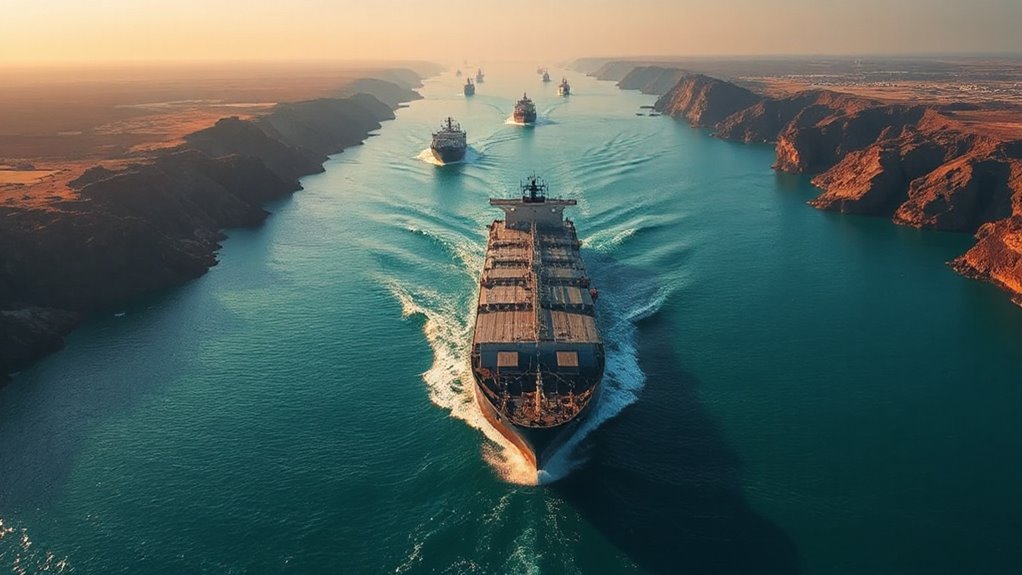
The threat goes beyond words. Iran has declared it will block oil shipments through the Strait of Hormuz that benefit the United States and its allies. This narrow waterway carries roughly one-fifth of the world’s oil supply, making it arguably the most important shipping lane on the planet. Iran has vowed to target vessels belonging to the United States, Israel, and their partners. Already, 14 merchant ships have reportedly been hit in the Gulf, including three recent attacks that forced one Thai-flagged freighter to evacuate its crew after a fire-causing explosion.
Markets have responded dramatically. Crude oil prices jumped past $100 per barrel for the first time since 2022, even spiking near $120 before settling around $90. West Texas Intermediate crude currently trades just under $86 per barrel. Stock markets rallied briefly when prices stabilized, reflecting investor hopes that the conflict might resolve quickly.
However, if tensions persist, consumers everywhere could feel the squeeze. Gas prices might surge above $5 per gallon if oil supplies face serious disruption. The ripple effects would extend far beyond filling up the family car, impacting supply chains and prices across multiple sectors.
Global leaders are preparing contingency plans. The International Energy Agency is considering releasing 400 million barrels from emergency reserves, which would be a record deployment. The United States stands ready to tap its strategic petroleum reserves as well. Such emergency releases have happened only five times before, including during the Gulf War and Hurricane Katrina.
Despite intense military pressure from the United States and Israel, Iran has demonstrated its ability to disrupt energy supplies. Israel’s Defense Minister has indicated operations will continue indefinitely, setting the stage for a prolonged standoff with potentially painful economic consequences worldwide.
Trade disruptions like this often lead to higher consumer prices and broader market volatility, reflecting how tariffs and barriers in a trade war can amplify economic fallout.
Related Posts