




In the shadow of a major conflict between Iran and its adversaries, Russia finds itself in an unexpectedly favorable position. When international attention shifts toward the Middle East, pressure on Moscow regarding Ukraine naturally decreases. American leaders must now juggle crisis management across multiple regions simultaneously, which stretches their focus thin like butter over too much bread.
This strategic distraction proves valuable for Russia’s ongoing operations. Ukraine risks becoming yesterday’s headline as media coverage pivots to Iranian developments. Western countries face tough choices about distributing military resources and diplomatic energy between two major conflicts at once. Decision-makers cannot dedicate their full attention to either situation when both demand urgent responses.
Economic benefits also emerge from Middle Eastern turmoil. Oil and gas prices typically spike during conflicts that threaten major supply routes, especially if the Strait of Hormuz faces closure risks. Russia exports massive quantities of petroleum products, so higher global prices mean more revenue flowing into Moscow’s treasury. This financial boost arrives at a convenient moment when sanctions have strained Russian government budgets.
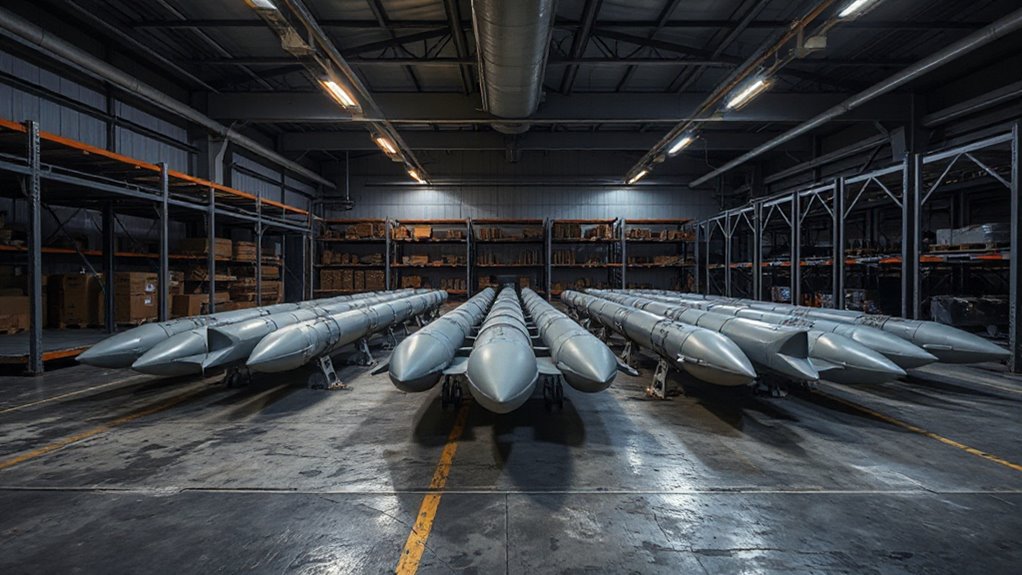
The military partnership between Russia and Iran has delivered concrete advantages throughout the Ukraine campaign. Iranian-made Shahed drones have become essential tools for Russian forces, alongside ballistic missiles and artillery ammunition from Tehran. Russia even began manufacturing these drone designs domestically through licensed production facilities.
However, the relationship carries complications too. A weakened Iran becomes less useful as a strategic partner over time. Prolonged conflict drains Iranian resources and reduces Tehran’s ability to act independently across the region. Russia loses influence when key allies like Iran face instability, similar to how Syrian government troubles earlier diminished Moscow’s Mediterranean foothold.
Trade networks also suffer disruption. The planned North-South Trade Corridor connecting Russia through Iran to the Indian Ocean now faces indefinite delays. Sanctions evasion routes that previously helped Russia access restricted goods become less reliable during active conflict. Chinese partners grow cautious about transactions involving unstable Iranian intermediaries.
Russia gains immediate tactical advantages from distracted adversaries and higher energy revenues, yet sacrifices long-term strategic depth as Iran weakens. The situation resembles winning a chess piece while losing board position. Central banks’ reactions to shifting oil revenues and geopolitical risk can rapidly affect asset prices, especially in the interest rate channel.
Related Posts