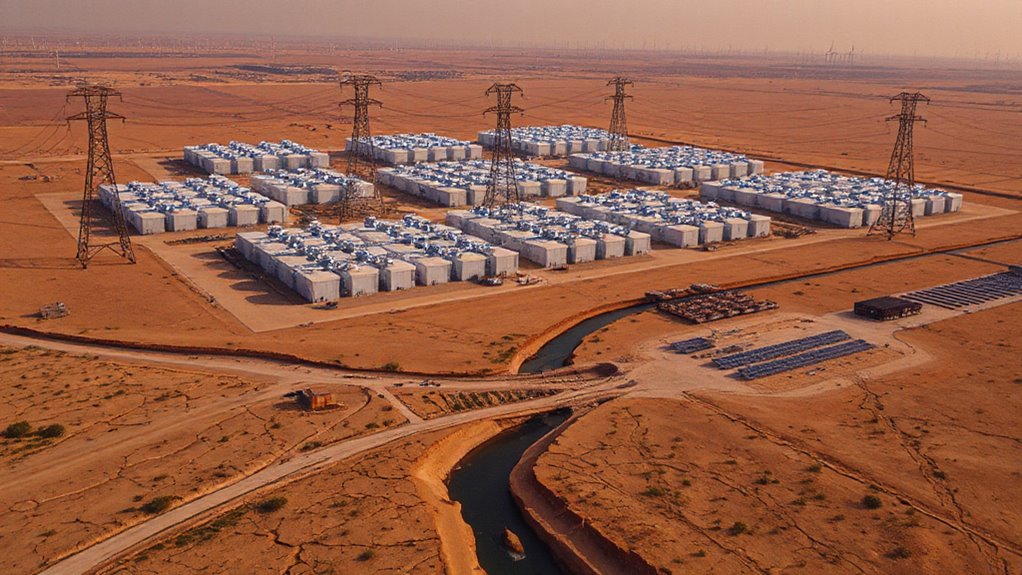
As data centers multiply across the United States like digital mushrooms after rain, an unlikely pair of political voices has sounded the alarm. Bernie Sanders and Ron DeSantis rarely agree on anything, but both have started questioning whether these massive computing facilities deserve the red-carpet treatment they’ve been getting from state and local governments.
The numbers explain why everyone is paying attention. Global data center capacity is expected to double to around 200 gigawatts by 2030, with demand tripling at a staggering 22% yearly growth rate. Artificial intelligence workloads are the main culprit, projected to hit 44 gigawatts in 2026 and keep climbing. This AI boom could drive more than five trillion dollars in investment this decade, potentially reaching eight trillion in optimistic scenarios. Central banks influence economic conditions that help determine financing for this kind of infrastructure, affecting how quickly projects can be funded and built through policy interest rates.
But this expansion comes with serious strings attached. These facilities guzzle electricity, drain water supplies, and consume enormous tracts of land. Yet many create surprisingly few local jobs given their size. Politicians from both parties now question whether tax breaks, sales tax exemptions, and infrastructure subsidies make sense when communities shoulder the costs while big tech companies reap the profits.
The power problem looms especially large. U.S. data center vacancy rates have plummeted to just 1.9% in major markets, and the electric grid is struggling to keep up. Interconnection queues are backing up, transmission lines are maxed out, and AI’s appetite for electricity keeps growing. Some analysts wonder whether the grid can physically deliver enough power to meet artificial intelligence’s ambitious deployment plans. The average wait time for grid connection in primary data center markets now exceeds four years, forcing companies to explore alternative power arrangements.
This creates real risk for AI’s future. If data centers can’t get built fast enough or locate where power is available, the entire AI revolution could hit a speed bump. The industry needs roughly three trillion dollars in infrastructure investment by 2030 just to upgrade energy systems and improve efficiency. The construction boom shows no signs of slowing, with more than 135 hyperscale data centers coming online in 2024 alone.
The political backlash isn’t going away either. State and local leaders increasingly impose moratoria and zoning restrictions, viewing data centers as resource hogs that demand too much while delivering too little. As Sanders and DeSantis demonstrate, skepticism about corporate subsidies now crosses party lines, turning data center growth into a surprisingly bipartisan flashpoint.
Related Posts