





What’s Blocking Sweden From Adopting the Euro Right Now?
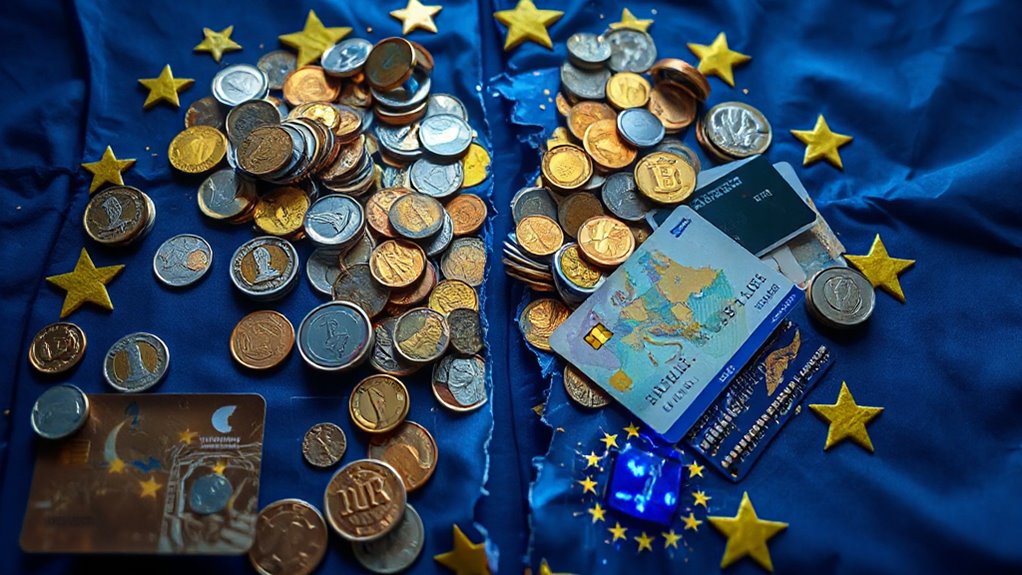
Despite joining the European Union back in 1995, Sweden still uses its own currency, the krona, instead of the euro that most EU members share. The main roadblock? A 2003 referendum where 56% of Swedes voted against adopting the euro. Major political parties promised to respect that decision, and most still do.
Sweden also cleverly sidesteps a technical requirement called ERM II, which countries must join before switching currencies. By staying out of this system, Sweden avoids the euro without breaking any rules. Finance officials say adoption isn’t happening anytime soon, keeping the krona firmly in Swedish wallets. Pre-market trading for major exchanges can begin as early as 4:00 a.m. ET, which illustrates how financial market hours differ across systems.
Why Over 60% EU Trade and Geopolitical Shifts Support the Euro
More than half of everything Sweden buys from other countries comes from the European Union, creating a powerful economic argument for sharing the same currency. With 66.9% of imports arriving from EU nations and 54.2% of exports heading there, Sweden’s economic heartbeat syncs with Europe’s rhythm.
Seven of Sweden’s top ten export destinations use euros or belong to the EU, meaning Swedish companies constantly juggle currency conversions. Adopting the euro would eliminate exchange rate surprises that make pricing tricky, especially for engineering firms that account for half of Sweden’s exports and depend on stable European markets. European markets typically open between 8:00 AM and 9:00 AM local time, facilitating synchronized trading across the region.
Why Sweden Wants to Keep Control Over Interest Rates
Central banks function like thermostats for national economies, adjusting interest rates up when things overheat and down when growth needs a boost.
Sweden’s Riksbank has controlled its own thermostat since abandoning fixed exchange rates after the 1992 banking crisis, when defending the krona required raising rates to 500%. That painful lesson taught Sweden that flexibility matters more than rigid currency pegs.
Today the floating krona lets the Riksbank respond to Swedish conditions rather than following the European Central Bank’s decisions. When voters rejected the euro in 2003, they chose continued independence over giving up rate-setting power to Frankfurt.
Monetary policy works through several channels, including the interest rate channel, which affects borrowing costs, asset values and exchange rates.
What Polls and Political Parties Say About a Second Referendum
Twenty years after Swedes said no to the euro, public opinion has shifted enough to spark fresh debate about holding another vote. Opposition dropped from over 80% in 2012 to just 50% by 2023, with support climbing to around 30%.
The gap between “no” and “yes” voters shrank dramatically—from 19 points down to roughly 8 points in recent polls. Meanwhile, Sweden’s krona hit record lows, making people reconsider.
Some analysts warn a currency switch could involve risks like supply chain disruptions as trade patterns and pricing adjust.
How Long Would Sweden’s Euro Adoption Process Actually Take?
If Sweden decided today to join the euro, how long would the country actually need to wait before switching out its krona? According to economist Lars Calmfors, the entire process would take at least four years.
The biggest hurdle is a mandatory two-year participation in the European Exchange Rate Mechanism, where Sweden’s krona would need to stay within a narrow band tied to the euro. Currently Sweden meets four of five required conditions, but it has deliberately avoided this exchange rate step.
After completing these requirements, additional time would be needed for the practical currency switchover itself. Central banks often coordinate during such transitions, using tools like swap agreements and other measures to maintain liquidity and stabilize markets.
Related Posts