







What Did Tesla Actually Deliver in Q1 2026?
Tesla delivered 358,023 vehicles in Q1 2026 — not bad, but not quite what Wall Street had in mind. Analysts expected around 365,645 vehicles. Tesla fell short by roughly 7,600 units. Think of it like studying hard for a test but scoring just below your target grade.
The numbers still showed growth. Deliveries rose 6.3% compared to Q1 2025’s 336,681 vehicles. So Tesla did improve year over year. However, missing expert estimates made headlines fast. This performance is often compared to broader market benchmarks like the S&P 500 to gauge investor reaction.
The announcement came on April 2, 2026. It landed as one of Tesla’s lowest recent quarterly totals relative to expectations. Meanwhile, Tesla produced 408,300 vehicles that quarter, creating a record backlog of unsold EVs that raised fresh concerns about inventory strain. Tesla also deployed 8.8 GWh of energy storage products during the same period, highlighting the company’s growing revenue stream beyond vehicle sales.
How Far Off Were the Analyst Estimates?
Analysts missed the mark by about 7,622 vehicles when Tesla reported its Q1 2026 numbers. The consensus estimate sat at 365,645 units but actual deliveries came in at 358,023. That gap is roughly 2.1% below what experts predicted. Think of it like guessing a jar holds 366 jellybeans but counting only 358.
The median estimate across 23 analysts was 363,371 units making the median miss around 5,348 vehicles. Model 3 and Y drove most of the shortfall falling 9,286 units below expectations. Other models actually beat forecasts by 2,184 units offering analysts one small bright spot. The Cybertruck posted 111.5% year-over-year growth, delivering 38,500 units compared to just 18,200 in Q1 2025. The final delivery and deployment figures were confirmed on Thursday, April 2.
Why Did Tesla Miss Its Delivery Targets?
Several factors combined to push Tesla’s Q1 2026 deliveries below expectations. Think of it like baking too many cookies before checking if anyone is hungry.
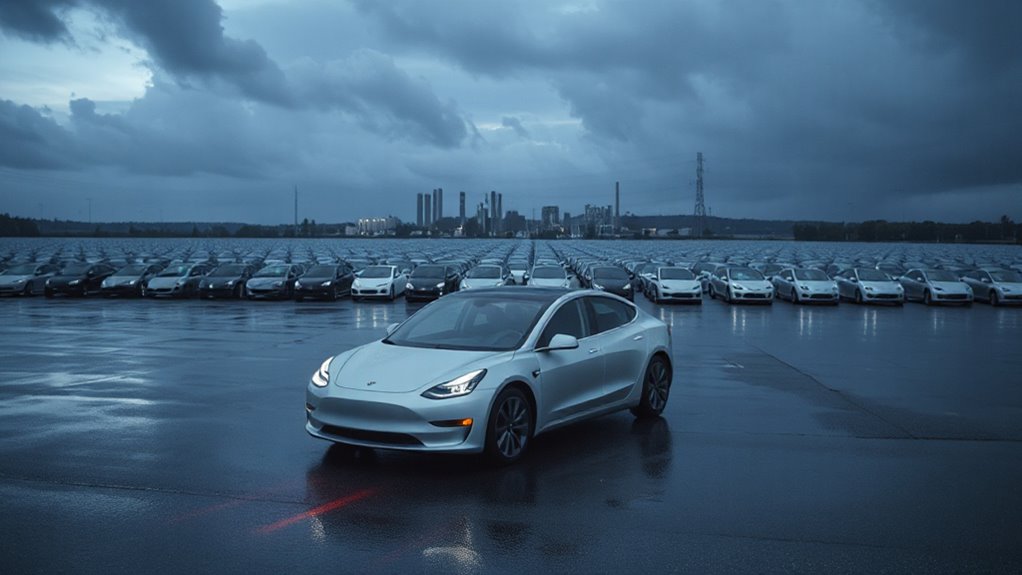
Tesla produced 408,386 vehicles but delivered only 358,023, leaving roughly 50,000 cars sitting unsold. Most of that surplus piled up in the popular Model 3/Y lineup. Diversification across revenue streams could help firms better withstand such demand shocks.
Tesla built 408,386 vehicles but sold only 358,023 — roughly 50,000 cars left waiting for buyers.
Buyers seemed hesitant at current prices. Energy storage sales also disappointed, meaning weakness spread beyond just cars. Energy deployments fell 38%, dropping from 14.2 GWh in Q4 2025 to just 8.8 GWh, far below analyst expectations.
Comparing Q1 2026 to Q1 2025 also looks deceptively rosy because last year’s numbers were artificially low due to factory retooling. So the situation is genuinely softer than headlines suggest. The 23-firm analyst consensus had projected approximately 365,645 deliveries, meaning Tesla fell short of even the most conservative mainstream expectations.
Why Did Tesla Build 50,000 More Cars Than It Delivered?
Building more cars than customers are ready to buy is a bit like printing extra concert tickets nobody purchased. Tesla produced 408,386 vehicles in Q1 2026 but only delivered 358,023. That left roughly 50,363 cars sitting without new owners. Almost all of that gap came from Model 3 and Model Y. Tesla built 394,611 of those models but delivered only 341,893, creating a backlog of about 52,718 vehicles.
Meanwhile, Other Models like Cybertruck actually delivered more than were produced. So Tesla effectively added over 50,000 vehicles to its inventory in just one quarter, which raises real questions about demand. Retained earnings can be affected when a company builds inventory instead of converting sales to cash, because changes in production and deliveries influence reported profit and thus retained earnings.
Can Tesla Still Hit Its 2026 Delivery Target?
Those 50,000 extra cars sitting in inventory make one big question even louder: can Tesla actually hit its full-year delivery target for 2026?
50,000 unsold cars and one brutal question: can Tesla actually hit its 2026 delivery target?
Analysts currently forecast around 1,678,900 total deliveries for the year. That’s ambitious after a rocky start.
Some key factors pulling in opposite directions:
- Consensus growth expectations already dropped from 8.2% to 3.8%
- Morningstar predicts nearly a 5% delivery decline for the full year
- Cybertruck demand remains strong with dual-motor orders stretching into fall
- Energy storage deployments and robotaxi plans offer additional revenue cushions
Tesla needs a strong comeback quarter — fast. Q1 2026 deliveries came in at 358,023 units, falling short of the Wall Street expectation of approximately 370,000 units. Adding to the pressure, shares have declined more than 20% from an all-time high reached in December, reflecting growing investor concern over the company’s near-term trajectory.
Central bank rate cuts or shifts in interest rates can change consumer financing dynamics and influence EV demand going forward.