








What Meta Is Actually Building in Louisiana
Stretching across 2,250 acres of former farmland in Richland Parish, northeast Louisiana, Meta’s Hyperion project is one of the most ambitious data centers ever built. Think of it as a small city dedicated entirely to computers. At full build-out, the campus will cover 4 million square feet and generate over two gigawatts of computing power. That’s enough energy to train some of the world’s most powerful AI systems. Many major European markets routinely open between 8:00 AM and 9:00 AM local time, a reminder of how global trading rhythms can affect energy and infrastructure planning.
Construction began in late 2024 and runs through 2030. At peak, over 5,000 workers will be on-site daily, building what Meta calls its largest and most advanced facility worldwide. Meta has also committed to more than $200 million in local infrastructure improvements, including upgrades to roads and water systems serving the surrounding communities.
The project is being delivered through a joint venture between DPR Construction, Turner Construction Company, and Mortenson, three of the country’s most prominent builders of mission-critical infrastructure.
The $27 Billion Financing Deal: and Who’s on the Hook
Building a facility the size of a small city costs serious money. Meta partnered with investment firm Blue Owl Capital to share the $27 billion price tag for the Hyperion campus. Blue Owl acts like a landlord, owning the buildings while Meta pays rent for 15 to 20 years. Think of it like leasing a car, except the car is a massive data center. Most retail traders historically see only about 3% profits, illustrating how large investments can still carry significant downside risk.
Meta also scored tax breaks on equipment and negotiated reduced property tax payments. Meanwhile, critics worry that if Meta walks away after just four years, Louisiana households could be stuck paying for three gas plants nobody asked for.
The original investment announcement came in December 2024 with a $10 billion facility, before the project expanded significantly through the joint venture financing arrangement with Blue Owl Capital. Blue Owl holds an 80% ownership interest in the joint venture, while Meta retains the remaining 20%.
Who Really Pays If Meta Walks Away?
When a big company signs a deal, it is worth asking what happens if they decide to leave early. Meta’s contract with Entergy lasts 15 years. But those new gas plants will keep running for over 30 years. Think of buying a car on a 15-year loan but only driving it half that time. Someone still owes money.
After Meta’s contract ends, Louisiana customers could get stuck paying operational and fuel costs. Shareholders face no requirement to share those leftover expenses. Critics worry this gap leaves everyday ratepayers holding a very expensive bill they never agreed to carry. Entergy’s deal does project about $2 billion in customer savings over 20 years, though analysts caution that such projections depend heavily on Meta’s continued presence. Central banks set policy interest rates that influence borrowing costs and can affect the broader economic environment that shapes utility financing and customer bills.
All 1.1 million Entergy Louisiana customers are considered at risk of paying for a project that was never put to a public vote and whose key agreements remain confidential and inaccessible to the people expected to foot the bill.
Bold Investment or Meta’s Fossil Fuel Trojan Horse?
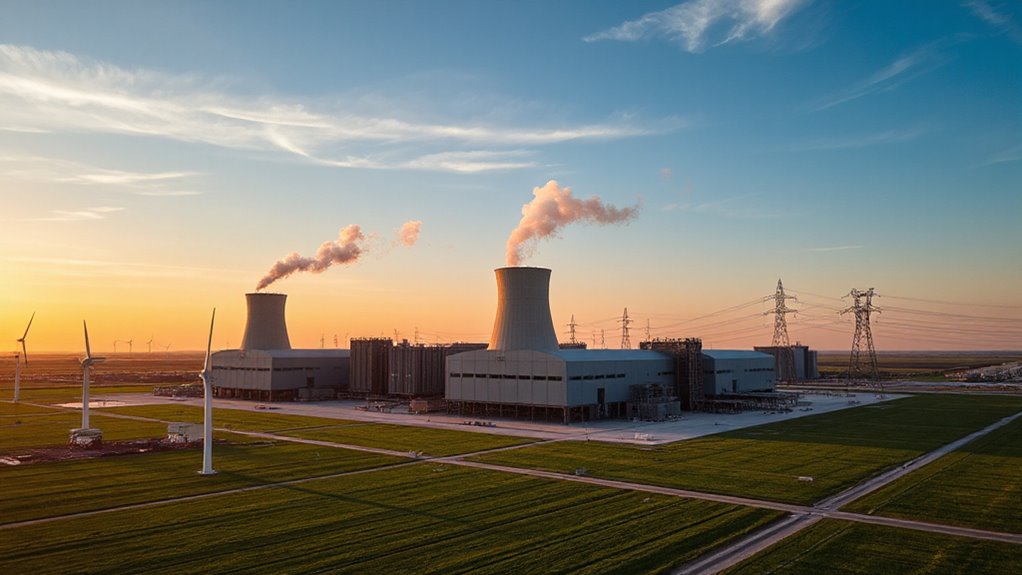
Pouring $10 billion into Louisiana sounds like a straightforward win for everyone involved. But critics are raising eyebrows at the fine print. Meta’s Hyperion data center will rely on ten natural gas plants totaling over 5,200 megawatts. That is an enormous fossil fuel commitment for one building. Central banks often act as the economy’s thermostat, shaping incentives for investment through interest rates and monetary policy that can influence energy financing decisions.
Sure, Meta promises to match 100% of its electricity with clean energy through Entergy’s Geaux Zero program. And yes, nuclear and renewables are part of the plan. But the gas plants are being built now while the clean energy future remains mostly promises. Some wonder if the green ribbon is hiding a very smoky gift. Meta has also committed to funding up to 2,500 MW of new renewable resources as part of the broader agreement with Entergy Louisiana.
The project is located in Richland Parish, a region in Northeast Louisiana that officials say stands to gain significantly from what has been described as one of the largest investments in the state’s history.