




How Kalshi Added 3 Million Users During the World Cup
When the 2026 FIFA World Cup kicked off on June 11, Kalshi was not ready for what happened next. The platform had expected around 1.5 million new users during the tournament. Instead, it got 3 million. That surge highlighted growing interest in prediction markets as a mainstream form of engagement and speculation.
That is double the forecast. Turns out, people really wanted to bet on soccer.
That is double what anyone expected. Turns out, people really wanted to bet on soccer.
The tournament ran through July 19, ending with Spain facing Argentina in the final.
As matches piled up, so did new sign-ups.
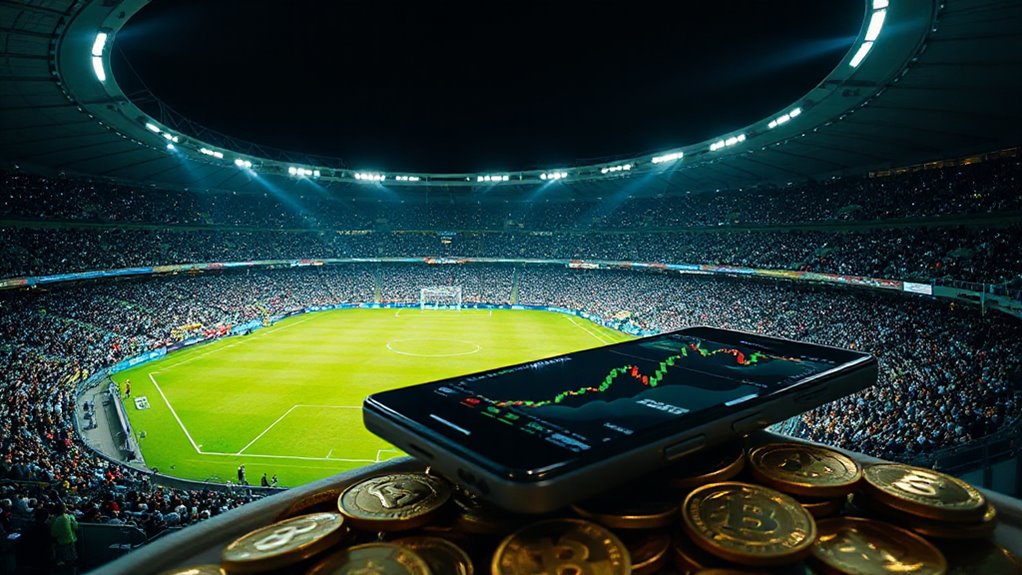
Kalshi also landed smart partnerships, putting its name in stadiums and inside ChatGPT results.
The World Cup basically became one giant, months-long advertisement for prediction markets. More than $1.2 billion in trades were made just to predict the World Cup winner, setting a platform record for money traded in a single market.
Kalshi Expected $13 Billion. It Traded $27 Billion
Kalshi set a goal for itself: hit $13 billion in trading volume. It blew past that number like it was standing still.
During the World Cup surge, Kalshi traded roughly $27 billion — more than double its original target. Many users joined directly through online accounts and platforms that let individuals participate without traditional brokers, increasing accessibility via direct plans.
June 2026 alone hit $32.67 billion in monthly volume.
To put that in perspective, the platform traded less than $6 billion back in December 2025.
Sports drove most of this growth, making up over 80% of total volume.
Kalshi didn’t just meet expectations. It rewrote them entirely, cementing its place as the dominant prediction market in the United States. As of late July 2026, Kalshi holds 81% of weekly notional volume across the prediction market landscape. That dominance came alongside a landmark fundraise, as Kalshi secured a $1 billion round led by Coatue Management, valuing the company at $22 billion.
Why Kalshi’s World Cup Numbers Doubled Every Internal Projection
Nobody predicted the World Cup would hit this hard — not even Kalshi. The company expected around $13 billion in trades and 1.5 million new users.
Instead it got $27 billion and 3 million users. Both numbers doubled.
Three things drove that surprise. First, the expanded 48-team tournament kept fans engaged longer. Second, smart marketing helped. Kalshi ran stadium ads and partnered with OpenAI to show odds inside ChatGPT. A Messi Instagram post didn’t hurt either.
Third, prediction markets were simply having a moment. Total bets across all platforms topped $50 billion in June alone. The World Cup final alone saw nearly $6 billion wagered across Kalshi and Polymarket. Institutional platforms also increased activity by offering direct market access to large traders.
How Many of Kalshi’s New Users Stayed After the Cup
Three million new users is a remarkable number. But signing up and sticking around are two very different things. Think of it like buying a gym membership in January.
After the World Cup ended, trading volume dropped sharply on days without matches. Crowded trades can make it harder for any single strategy or platform to keep casual users engaged. CNBC called turning those new signups into regular traders a key challenge for Kalshi.
Many of those accounts looked like short-term visitors rather than long-term members.
Many of those new accounts quietly faded away — visitors passing through, not residents settling in.
Kalshi never publicly released a post-tournament retention rate. During the tournament itself, daily active users on Kalshi surged 135 percent.