







Walmart’s Digital Price Tags: 2,300 Stores Now, All by 2026
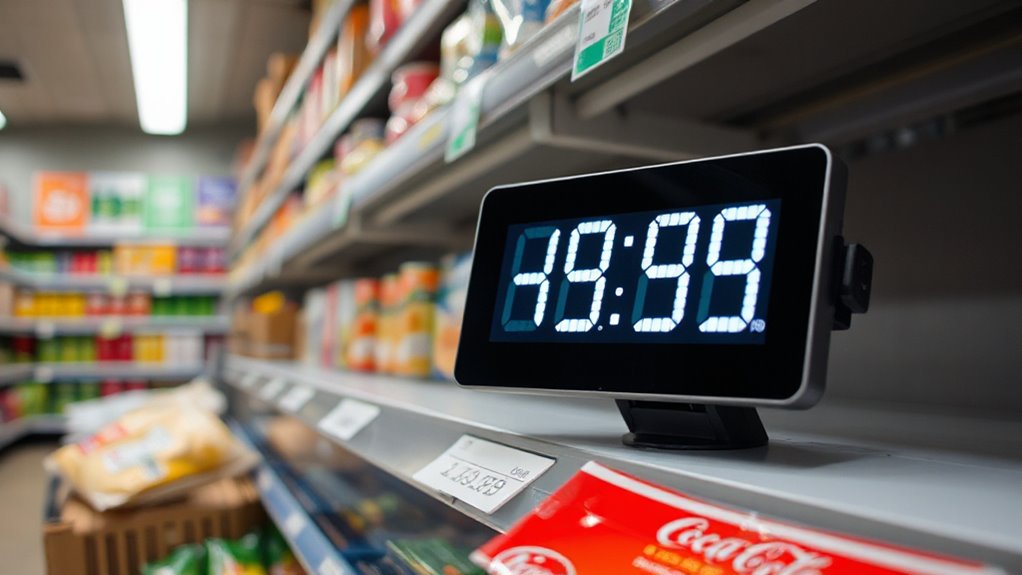
Walmart is making a major shift in how it displays prices, swapping out traditional paper labels for digital screens in thousands of stores. As of March 2026, the retail giant has equipped 2,300 locations with electronic shelf labels.
These digital tags replace the old system where workers manually changed paper prices on 120,000 items per store, a process that took two full days. Now updates happen in minutes.
Walmart plans to complete the nationwide rollout by the end of 2026, bringing this technology to all U.S. stores and making price adjustments faster than ever before. The move also raises questions about labor and technology adoption in retail, including impacts on real-time data and store operations.
Could Digital Tags Mean Surge Pricing at Walmart?
Digital price tags open the door to something many shoppers find unsettling: prices that change throughout the day based on demand. Think about how airlines charge more as flights fill up, or how Uber adds surge pricing during rush hour. The same technology could theoretically let stores raise prices on ice cream during heat waves or bottled water before storms.
Walmart holds patents for dynamic pricing systems, though the company insists these aren’t connected to their digital tag rollout. Consumer advocates remain skeptical since the technology itself has no built-in limits preventing such changes. Central banks monitor inflation and policy interest rates that could be affected if widespread dynamic retail pricing pushed consumer prices higher.
Walmart’s Promise: Same Prices for Everyone, No Surge Pricing
Repeatedly, company representatives have stepped forward to address shopper concerns about potential pricing tricks with the new electronic shelf labels. Walmart insists the digital tags exist purely for efficiency, not sneaky price games. They promise every customer pays the same amount regardless of shopping time or personal data. The system won’t mimic airline-style surge pricing that changes costs by demand.
Key promises include:
- No personalized pricing based on individual shopper information
- Consistent prices across all customers throughout the day
- Legitimate sales only, not dynamic demand-based increases
Representatives emphasize the technology simply updates prices faster, freeing employees for restocking and helping customers instead. However, industry observers note that widely adopted pricing technologies can lead to strategy decay as competitors and algorithms quickly erode easy advantages.
How Digital Price Tags Save Labor and Cut Store Errors
Behind every price tag in a traditional store lies an invisible cost: the hours employees spend replacing thousands of paper labels each week.
Walmart’s shift to digital tags eliminates this tedious task. Manual updates typically consume 50 hours weekly for 10,000 tags, costing $39,000 annually.
Digital systems update thousands of prices in minutes, not hours. Employees can redirect their time toward helping customers and restocking shelves instead of climbing ladders with label makers.
These electronic tags also prevent costly pricing errors that cause customer frustration and lost sales. When prices synchronize automatically across all channels, mistakes disappear.
Money saved on labor and error reductions can be reinvested into stores or passed on to customers as lower prices.
Kroger and Other Grocers Testing Digital Tags Too
Walmart isn’t alone in exploring this technology shift. Kroger is testing electronic shelf labels too, though the company emphasizes it’s not implementing dynamic pricing. Instead, the focus remains on operational efficiency rather than individualized costs.
Other major grocers are joining the movement:
- Whole Foods has adopted digital labels as part of its modernization efforts
- Loblaws introduced ESLs back in 2018 without changing pricing or promotional practices
- Coop in Norway reported a 15% increase in customer satisfaction thanks to better product information
These retailers position digital tags as tools for accuracy and convenience, not price manipulation. Many retailers cite improved accuracy and reduced labor costs as key benefits of digital tags, which aligns with broader trends of retailers adopting tech to cut expenses and streamline operations operational efficiency.
Related Posts